The intersection of science and law has become increasingly relevant in today’s society, where technological advancements continuously challenge existing legal frameworks. In response, the Judiciary Learning Center at the National Courts Building in Washington, D.C., offers a unique educational experience that aims to bridge this gap. This initiative not only enhances students’ understanding of the law but also encourages them to appreciate the role of scientific innovation in shaping legal principles.
Innovative Learning Experiences
The Federal Circuit Center for Innovation and Law provides an immersive environment for middle and high school students to explore the dynamic relationship between law, science, and technology. According to Chief Judge Kimberly A. Moore, the center embodies the mission of the Federal Circuit, which is to foster American innovation through a consistent legal framework for intellectual property. This initiative is designed to inspire the next generation of innovators while demonstrating the profound impact that law has on scientific progress and technological advancements.
At the center, students engage in various activities that illustrate how ideas transform into inventions, and how civic engagement can lead to legal reforms. For instance, through interactive exhibits, they learn how protests can influence legislative changes and how courts play a pivotal role in everyday life. Such experiential learning not only captivates students but also reinforces the importance of understanding the law in a democratic society. The learning center is part of a broader movement aimed at enhancing civics education, as evidenced by the growing number of civics education centers across federal court buildings in the country.
Hands-On Learning Through Mock Trials
A key feature of the Judiciary Learning Center is its mock trial segment, where students assume the roles of attorneys, jurors, and judges. This hands-on approach provides a practical understanding of courtroom procedures and the judicial process. Students gain firsthand experience in how legal arguments are constructed and presented, fostering critical thinking and public speaking skills. Moreover, each visit includes a personal conversation with a federal judge, offering unique insights into the judicial system and its influence on society. Such interactions serve to demystify the legal profession and inspire students to consider careers in law.
The center also allows students to explore the rich history of the Federal Circuit building, which has housed significant organizations that have shaped American history, including NASA and the National Woman’s Party. By connecting historical events to contemporary legal issues, students can better appreciate the evolution of the law and its relevance in today’s world. This educational experience is further enriched by activities that cover essential topics such as the Constitution, landmark Supreme Court cases, and the basics of federal courts. For more information on how this center bridges gap between science and law, students and educators can explore the resources available on-site.
Engaging the Next Generation
The Judiciary Learning Center plays a critical role in engaging young people with the legal system and inspiring them to think critically about their civic responsibilities. The center’s programs aim to instill a sense of civic duty and awareness among students, highlighting the importance of active participation in democracy. As students navigate through various educational materials and participate in discussions about their rights and responsibilities, they are better equipped to engage with the legal system as informed citizens.
Through innovative programs that connect law, science, and technology, the center is paving the way for a new generation of legal professionals who are well-versed in the complexities of modern society. The initiative not only prepares students for potential careers in law but also emphasizes the significance of understanding how legal frameworks can adapt to scientific advancements. As society continues to evolve, the need for educated individuals who can navigate this intersection becomes increasingly vital. Additionally, the center’s focus on the federal courts role in shaping policy ensures that students are aware of the broader implications of legal decisions on their lives and communities.

The Judiciary Learning Center, located at the historic National Courts Building in Washington, D.C., serves as a pivotal educational resource that bridges the gap between science and law. Through immersive experiences, the center aims to inspire students by illustrating how legal frameworks support innovation and civic engagement. By integrating elements of technology and civics, the center provides a platform for young minds to understand the complex interplay between legal principles and scientific advancements.
Exploring the Intersection of Law and Innovation
At the core of the Judiciary Learning Center’s mission is the emphasis on how laws can shape the landscape of innovation. The center offers a unique opportunity for middle and high school students to engage with the legal processes that govern intellectual property. This is particularly relevant in today’s fast-paced technological environment, where understanding the legal implications of new inventions is crucial. Students learn about how private parties can sue investment companies, which highlights the importance of legal recourse in fostering a healthy marketplace.
Interactive Learning Experiences
The Judiciary Learning Center provides an array of interactive activities designed to deepen students’ understanding of the law. Among these activities is a mock trial segment, where students can assume the roles of attorneys, jurors, and judges. This hands-on experience not only makes the learning process engaging but also reinforces the significance of the judicial system in everyday life. By participating in such simulations, students gain insight into how courts influence legislative changes and societal norms.
Additionally, the center features guided tours that explore the rich historical context of the Federal Circuit building. The building has housed significant organizations, including NASA and the National Woman’s Party, which have played crucial roles in shaping American history. These tours are designed to connect past events with contemporary legal issues, allowing students to appreciate the evolution of civic life in the United States.
Connecting Law, Science, and Technology
The Judiciary Learning Center stands out as a model for integrating law with science and technology. Chief Judge Kimberly A. Moore emphasizes that the center is committed to inspiring future innovators by demonstrating how these fields intersect within our democracy. By learning about landmark Supreme Court cases and the foundational principles of the Constitution, students can see firsthand how legal frameworks can promote or hinder scientific progress.

Moreover, the center’s educational materials are designed to cultivate a comprehensive understanding of the federal court system. Topics such as jury service and career opportunities within the judiciary are explored, providing students with a broader perspective on the role of law in society. The discussions facilitated by federal judges during visits are particularly impactful, offering students a unique window into the legal profession and its implications for future innovations. For instance, debates surrounding IQ tests and execution highlight critical ethical considerations that arise at the intersection of law and science.
Encouraging Civic Engagement
Ultimately, the Judiciary Learning Center aims to foster a sense of civic responsibility among students. By engaging with the legal system in a meaningful way, students are encouraged to become active participants in their communities. The center not only imparts knowledge about laws and regulations but also inspires students to advocate for change and contribute to the democratic process. As they explore the historical and contemporary significance of the judiciary, students are empowered to envision their roles in shaping the future of law and innovation.
The Judiciary Learning Center serves as a pivotal resource in bridging the gap between the realms of science and law, fostering a deeper understanding among students about how these two fields intersect. This initiative not only educates but also inspires the next generation of innovators, providing them with hands-on experiences that highlight the importance of legal frameworks in scientific advancements. By engaging with the legal system, students can appreciate the role that law plays in shaping technology and civic life.
Understanding the Intersection of Law and Science
At the heart of the Judiciary Learning Center’s mission is the commitment to demystify the complex relationships between law, science, and technology. Students participating in the programs are encouraged to explore fundamental questions such as how scientific advancements can lead to changes in legislation and how legal principles govern the use of technology. By presenting real-world scenarios, the center immerses students in discussions that reveal the nuances of legal interpretations and their implications for innovation.
Moreover, the center’s interactive approach includes activities that illuminate the process through which ideas evolve into inventions. This hands-on exploration not only fosters creativity but also instills a sense of responsibility in students regarding the ethical implications of their inventions. By examining historical cases and engaging in mock trials, students gain insight into how courts adjudicate matters that often involve scientific evidence and technological advancements.
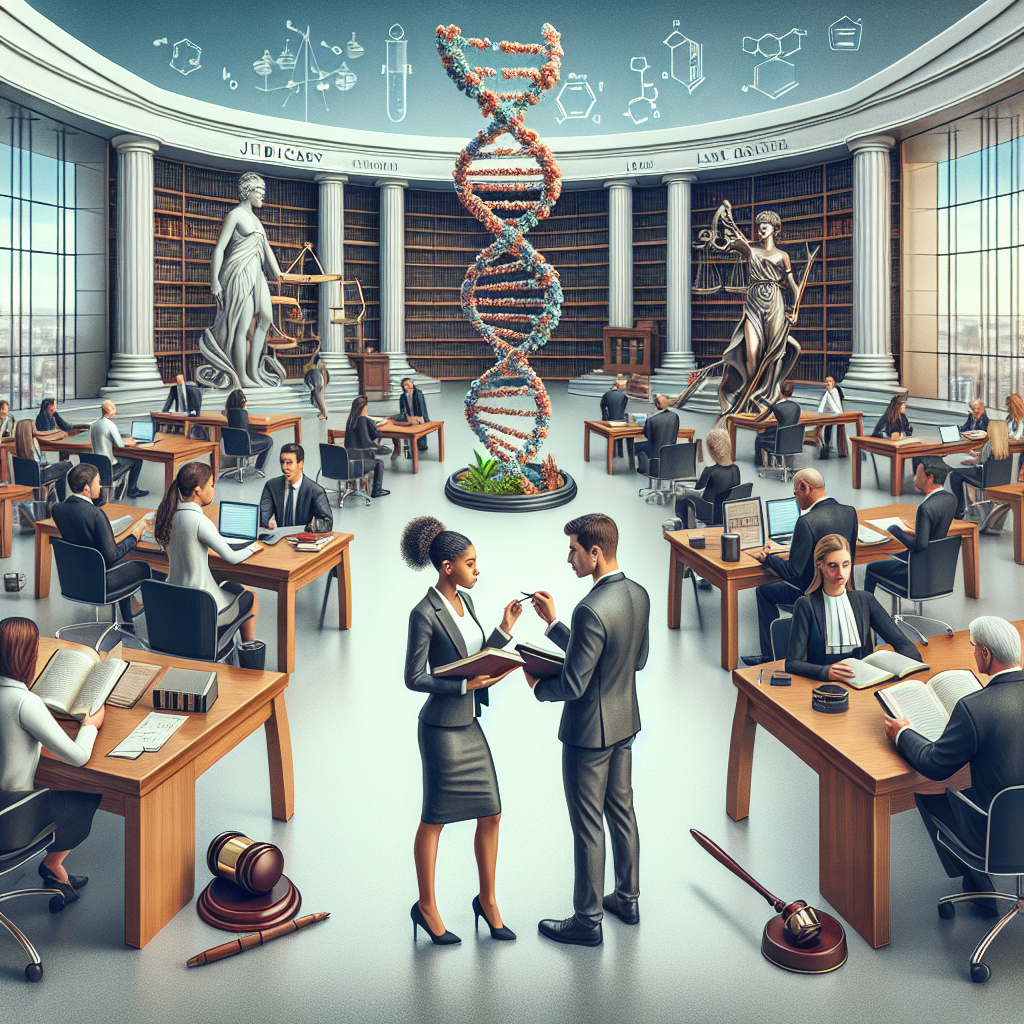
Engaging Students Through Experiential Learning
The Judiciary Learning Center offers a unique opportunity for students to engage directly with the judicial process. The mock trial experience is particularly impactful, as it allows participants to assume various roles within the courtroom, including that of an attorney, juror, and judge. This immersive experience provides a practical understanding of courtroom procedures and the importance of fair trials in a democratic society.
In addition to the mock trials, students have the chance to converse with federal judges, offering them a rare glimpse into the judicial mindset and the decision-making processes that influence rulings. These discussions not only humanize the law but also allow students to ask pertinent questions about the judiciary’s role in addressing contemporary issues, such as racial discrimination in jury selection.
Through these interactions, the Judiciary Learning Center reinforces the idea that the law is not merely a set of rules but a living framework that adapts to societal changes and technological advancements. By understanding this dynamic, students are better equipped to navigate the complex legal landscape they will encounter in their futures.
Fostering Civic Engagement and Innovation
Ultimately, the Judiciary Learning Center is dedicated to fostering civic engagement among students, encouraging them to become informed citizens who actively participate in democratic processes. By highlighting the historical significance of the National Courts Building and its role in shaping civic life, the center instills a sense of pride and responsibility in the next generation. Students leave with a profound understanding of how their actions can influence the legal system and, by extension, society as a whole.
The center’s focus on innovation aligns with the broader mission of the Federal Circuit, which seeks to promote the development of new ideas within a structured legal framework. By inspiring students to think critically about the intersection of law and science, the Judiciary Learning Center prepares them to be the innovators and leaders of tomorrow, equipped with the knowledge and skills necessary to navigate the complexities of modern society.