The current political landscape in the United States raises significant concerns regarding the preservation of democratic principles and the rule of law. With the increasing centralization of power and disregard for constitutional constraints, the question arises: how can American democracy be safeguarded? The answer may lie not in the judiciary but in comprehensive electoral reform. This approach not only addresses the immediate threats posed by potential autocratic governance but also fortifies the democratic structures that enable citizen participation and representation.
The Role of Electoral Reform in Safeguarding Democracy
Electoral reform is essential in creating a robust framework that can withstand the pressures of authoritarian tendencies. The current electoral system often facilitates the concentration of power among a few, allowing for manipulation and disenfranchisement of voters. Implementing reforms such as ranked-choice voting, automatic voter registration, and redistricting processes can enhance voter engagement and ensure fair representation. For instance, initiatives like election redistricting challenges aim to eliminate gerrymandering, which distorts electoral outcomes and undermines public trust in democratic processes.
Moreover, these reforms can mitigate the risks associated with a single leader gaining excessive control. By diversifying electoral choices and promoting competition, the likelihood of any individual consolidating power diminishes. An informed electorate, equipped with the tools to participate meaningfully, can resist authoritarianism and uphold democratic values. As history has shown, when citizens are given a voice through fair elections, they can effectively challenge attempts at autocratic rule.
Judicial Limitations in Protecting Democracy
The expectation that the Supreme Court will serve as the primary guardian of democracy is increasingly questionable. While the court has a significant role in interpreting the law, its capacity to act decisively against political overreach is limited. The current composition of the court may hinder its willingness to address cases that challenge the actions of an autocratic leader. Thus, relying solely on judicial intervention may not suffice in the face of systemic threats to democracy.
Furthermore, the court’s past decisions have often reflected the political climate rather than a steadfast commitment to civil liberties. The potential for judicial bias raises concerns about the effectiveness of the judiciary as a bulwark against authoritarianism. To truly protect democratic ideals, the focus must shift from the courts to proactive measures that empower citizens and reform electoral practices.
Building a Resilient Democratic Framework
To build a resilient democracy, a multifaceted approach is required. This includes not only electoral reform but also civic education and grassroots activism. Citizens must be informed about their rights and the importance of their participation in the democratic process. Engaging communities and fostering dialogue can create a more informed electorate, capable of holding leaders accountable.
Moreover, strengthening institutions that promote transparency and accountability is crucial. Ensuring that government actions are subject to scrutiny can deter autocratic behaviors. By advocating for reforms that enhance governmental oversight and reduce corruption, citizens can contribute to a more equitable political environment.

- Implement ranked-choice voting to enhance electoral fairness.
- Promote automatic voter registration to increase participation.
- Challenge gerrymandering through legal and legislative means.
- Encourage civic education programs to inform voters.
In conclusion, while the judiciary plays a role in upholding the law, it is the responsibility of the electorate and reform advocates to ensure that democracy is not only preserved but flourishes. By focusing on electoral reform and empowering citizens, the foundations of American democracy can be strengthened against any potential threats, including the emergence of an American Caesar. As history has demonstrated, the resilience of democracy lies in the hands of its people, and reforms must reflect this truth.
The ongoing debate surrounding the preservation of American democracy amidst rising authoritarian tendencies has brought to light the critical role of electoral reform. While courts have historically been seen as the guardians of constitutional rights, their ability to effectively counteract the encroachment of autocratic leadership is increasingly called into question. The current political climate, particularly under the shadow of Donald Trump’s presidency, underscores the urgent need for systemic changes to ensure that democratic principles are upheld and protected.
The Limitations of Judicial Intervention
Judicial intervention has often been the recourse for those seeking to defend democratic norms against potential abuses of power. However, the effectiveness of the judiciary in safeguarding these principles is limited, especially when faced with a president who openly defies constitutional constraints. For instance, the redistricting legal issues illustrate how courts can become entangled in political disputes, often failing to deliver timely or impactful rulings that might deter executive overreach.
The Supreme Court’s role in checking presidential power has been historically significant, yet recent trends suggest a troubling retreat from active engagement in cases that could prevent the erosion of democratic norms. The trump federal authority case serves as a poignant example of how the court may be hesitant to intervene decisively, leaving critical questions of executive authority unresolved. This reluctance can embolden leaders to act unilaterally, undermining the checks and balances that are foundational to the American political system.
The Necessity of Electoral Reform
To effectively combat the risks associated with autocratic governance, electoral reform emerges as a vital mechanism for reinforcing democratic integrity. By transforming how elections are conducted and how representatives are held accountable, reform initiatives can mitigate the influence of any single leader seeking to consolidate power. For example, exploring options such as ranked-choice voting or independent redistricting commissions could enhance electoral fairness and reduce gerrymandering, which has been a significant factor in skewing political representation.
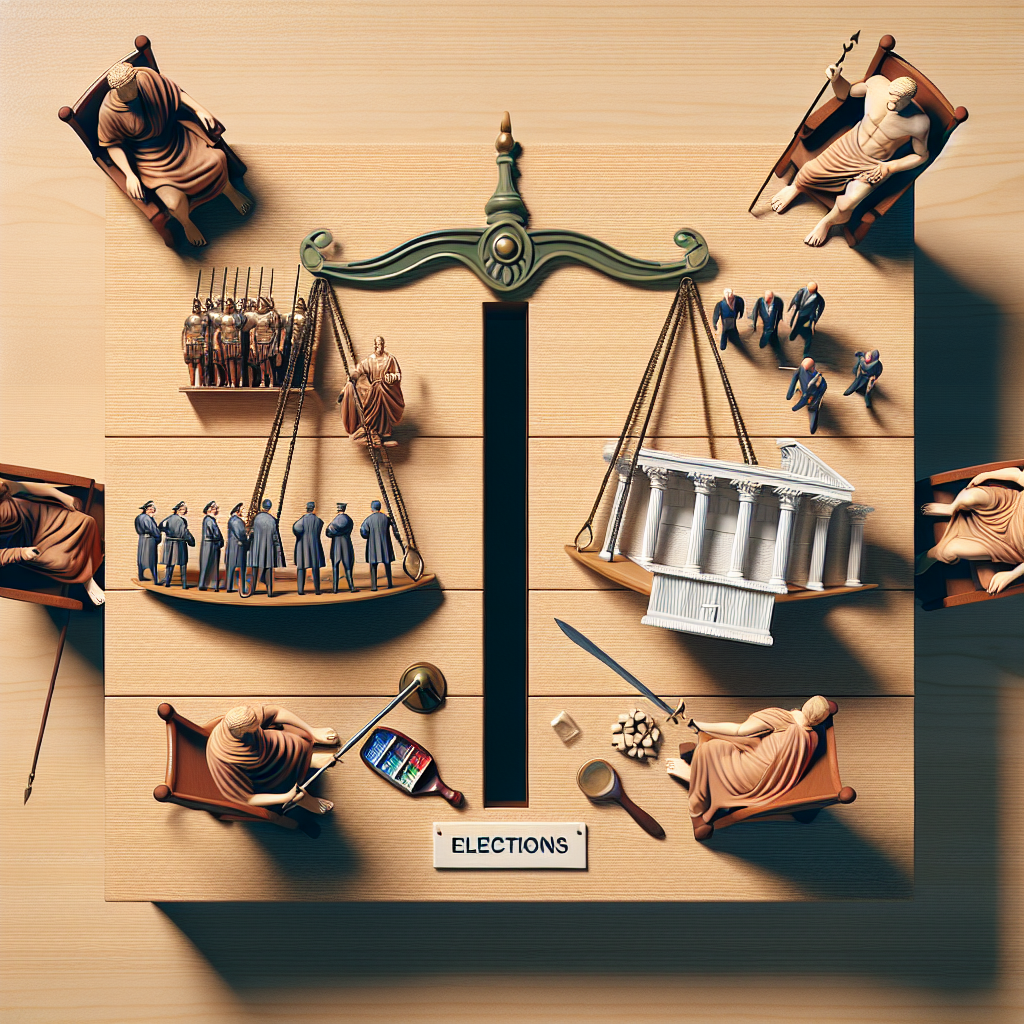
Moreover, the protection of civil liberties must be prioritized within these reforms. The current administration’s disregard for fundamental rights, as evidenced by its treatment of dissenting voices and its approach to law enforcement, highlights the necessity for comprehensive reforms that enshrine protections for all citizens. The ongoing gun rights legal challenge further exemplifies the delicate balance between authority and individual freedoms, necessitating a careful reevaluation of laws that govern civic engagement.
Ultimately, the fight against an emerging autocracy relies not solely on the judiciary but on a robust commitment to reforming the electoral landscape. By empowering voters and ensuring that their voices are heard, the foundations of democracy can be reinforced against the tide of authoritarianism. The path forward requires a concerted effort to prioritize the principles of representation, accountability, and respect for civil liberties, which are essential for sustaining the democratic ethos of the nation.
As the political landscape in the United States continues to evolve, the pressing need for electoral reform becomes increasingly apparent. The potential rise of autocratic governance under a leader like Donald Trump underscores the urgency of establishing robust mechanisms that protect democratic principles. While the Supreme Court may play a role in safeguarding constitutional democracy, it is ultimately electoral reform that will serve as the most effective bulwark against the emergence of an American Caesar.
The Role of Electoral Reform in Strengthening Democracy
Electoral reform is essential for ensuring that the democratic process remains resilient against threats from those who might seek to undermine it. By implementing changes such as ranked-choice voting and automatic voter registration, the electoral system can become more inclusive and representative. These reforms not only enhance voter participation but also diminish the influence of partisan gerrymandering, which has historically skewed electoral outcomes in favor of specific political parties.
Furthermore, enhancing transparency in campaign financing is crucial for reducing the undue influence of wealthy donors and special interest groups. By imposing stricter regulations on campaign contributions, electoral reform can help level the playing field for all candidates, allowing a broader range of voices to compete in the political arena. Such measures can mitigate the risk of authoritarianism by ensuring that governance is reflective of the will of the people rather than the interests of a select few.

Moreover, the promotion of fair electoral practices can foster a political culture that values accountability and integrity. When citizens trust that their votes count and that elections are conducted fairly, they are more likely to engage in the democratic process. This engagement is vital for creating a political environment where leaders are held accountable for their actions, thereby reducing the likelihood of autocratic governance.
The Limitations of Judicial Intervention
While the Supreme Court has the power to interpret and enforce constitutional principles, its ability to act as a safeguard against autocracy is limited. The court’s composition and the political ideologies of its justices can greatly influence its decisions, potentially leading to rulings that do not align with the preservation of democratic norms. As evidenced by recent cases, the court may not always prioritize the protection of civil liberties and democratic rights, making it an unreliable guardian against authoritarian tendencies.
The judiciary’s role in upholding democracy is further complicated by the politicization of judicial appointments. When justices are selected based on their political affiliations rather than their commitment to impartiality, the court risks becoming an extension of partisan interests. This situation underscores the necessity of reforms that go beyond the judiciary, focusing instead on the electoral processes that empower citizens to choose their leaders.
In light of these challenges, it is clear that relying solely on the judicial branch to protect democracy is insufficient. Electoral reform must take precedence as the primary means of ensuring that power remains in the hands of the people. By fostering a more equitable and transparent electoral system, we can build a resilient democracy capable of withstanding the pressures of autocratic governance.
Ultimately, the fight for democracy hinges on the ability of citizens to influence their government through fair elections. As such, it is imperative to advocate for comprehensive electoral reforms that strengthen democratic institutions. Only through these reforms can we effectively guard against the rise of an American Caesar and secure the future of our constitutional democracy. For a deeper understanding of the implications of these issues, consider exploring the federal court implications that shape the landscape of electoral law.