On December 9, the Supreme Court is set to hear oral arguments in a pivotal case concerning campaign finance regulations. The case, National Republican Senatorial Committee v. Federal Election Commission, challenges the limits imposed on coordinated expenditures by political parties. This hearing comes nearly 25 years after the Court upheld these limitations in Federal Election Commission v. Colorado Federal Republican Campaign Committee. The implications of the Court’s forthcoming decision could significantly alter the landscape of campaign finance in the United States.
Background of the Case
The National Republican Senatorial Committee (NRSC), alongside other challengers, argues that the current expenditure limits infringe upon their First Amendment rights. They contend that these restrictions prevent political entities from effectively collaborating with their candidates to deliver coherent political messages. The challengers assert that the inability to coordinate expenditures undermines their electoral strategies and diminishes their ability to compete effectively in elections.
Defending the existing regulations, the Democratic National Committee (DNC) warns that a ruling in favor of the NRSC could fundamentally reshape the campaign finance regime. The DNC argues that allowing unlimited coordinated expenditures would likely lead to the removal of all contribution limits to candidates, thereby exacerbating the influence of money in politics. The stakes of this legal battle are high, as the outcome could redefine how campaigns are financed and the extent of permissible coordination between parties and candidates.
Potential Implications of the Ruling
The Supreme Court’s decision could have far-reaching consequences for campaign finance law. If the Court rules against the expenditure limits, it may open the floodgates for unlimited spending by political parties, fundamentally altering the dynamics of electoral competition. Critics of the current limits assert that maintaining them would create a significant shift in the Court’s jurisprudence, questioning the validity of past campaign finance precedents.
As the Court prepares to make its ruling, various stakeholders are closely monitoring the situation. Legal experts and political analysts are debating the potential outcomes and their implications for future elections. The case highlights the ongoing tension between free speech and the need for regulation in political financing. The Court’s decision will likely set a precedent that could influence campaign finance regulations for years to come.
Key Issues in the Case
The upcoming arguments will delve into several key issues surrounding the limits on coordinated expenditures. One primary concern is whether these limits violate the First Amendment rights of political committees and candidates. The challengers argue that the ability to engage in unlimited coordinated expenditures is essential for effective political communication.
Moreover, the debate encompasses questions of transparency and accountability in campaign financing. Advocates for maintaining the limits emphasize that these regulations help prevent corruption and the undue influence of money in politics. As both sides present their arguments, the Supreme Court will have to weigh the competing interests of free speech against the integrity of the electoral process.
| Entity | Position |
|---|---|
| National Republican Senatorial Committee | Challenging expenditure limits |
| Democratic National Committee | Defending existing limits |
The Supreme Court’s ruling will not only impact the immediate parties involved but may also influence broader campaign finance laws across the nation. As such, the case has garnered significant attention from various advocacy groups and political organizations. For further insights into related legal developments, see the key issues in january and the confrontation clause opinions that may also shape the judicial landscape.
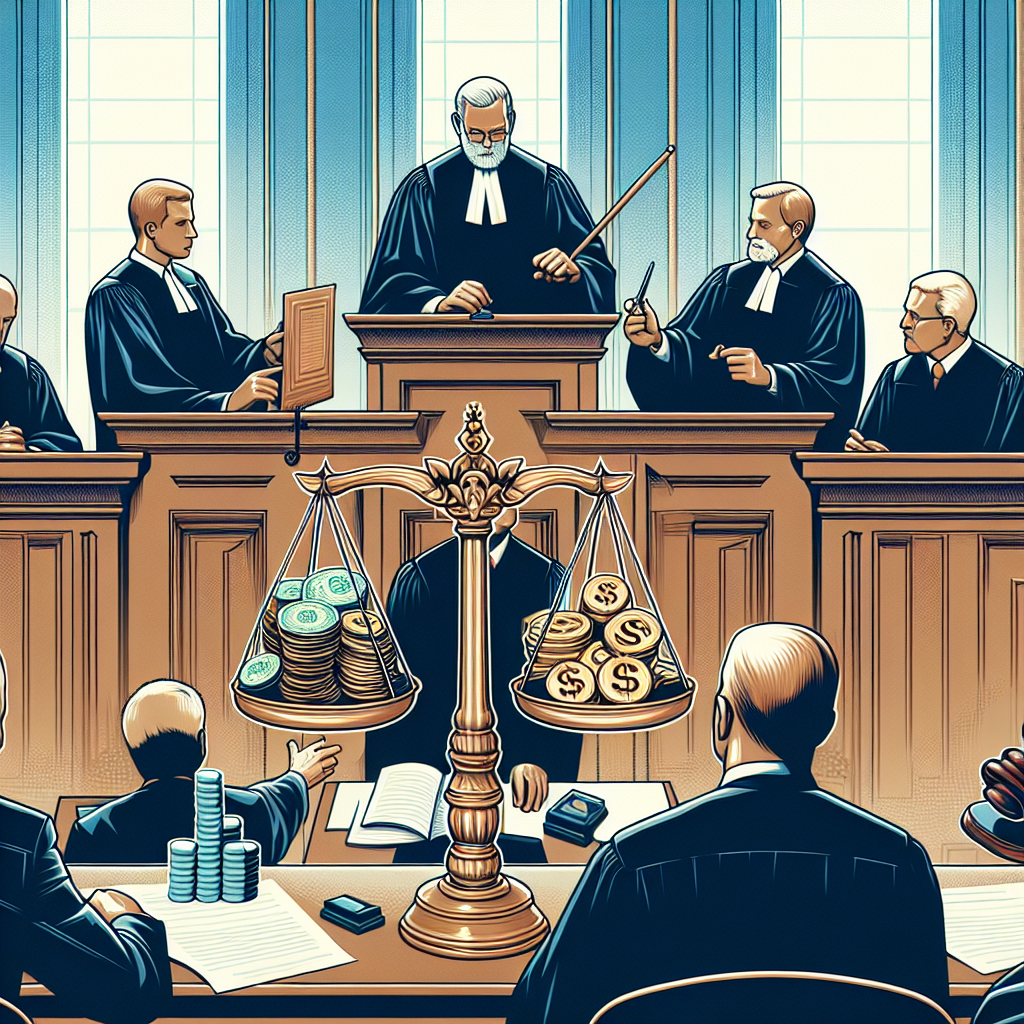
The upcoming Supreme Court hearing on campaign finance limitations is set to address a pivotal issue that has significant implications for the political landscape in the United States. The case, National Republican Senatorial Committee v. Federal Election Commission, challenges the existing limits on coordinated party expenditures, which have been a point of contention since their inception. Advocates for the changes argue that these limitations infringe upon the First Amendment rights of political parties and candidates, while opponents warn that removing such restrictions could lead to a fundamental shift in how political campaigns are financed.
Legal Background and Historical Context
The origins of the current legal dispute can be traced back to a Supreme Court decision made nearly twenty-five years ago in major election law case, Federal Election Commission v. Colorado Federal Republican Campaign Committee. This decision upheld limits on coordinated expenditures, asserting that such restrictions were constitutionally valid. However, the National Republican Senatorial Committee, along with other challengers, now seeks to overturn this precedent, arguing that it stifles political expression and undermines the effectiveness of campaign strategies.
In their defense of the current limits, the Democratic National Committee emphasizes that a ruling in favor of the challengers could drastically alter the campaign finance regime. They contend that a constitutional endorsement of unlimited coordinated expenditures would not only affect the current spending limits but could also lead to the elimination of any constraints on contributions to candidates. This potential outcome raises concerns about the influence of money in politics and the integrity of electoral processes.
Arguments from the Challengers
The challengers, including prominent political figures and committees, argue that the existing limits hinder their ability to effectively support candidates. They maintain that coordinated expenditures are essential for ensuring that campaign messages are consistent and resonate with voters. Furthermore, they assert that maintaining the current restrictions would lead to a significant regression in the Court’s campaign finance jurisprudence, as it would leave earlier decisions intact, which they believe are outdated and misaligned with contemporary political realities.
As the arguments unfold, the implications of the Court’s decision could extend beyond the immediate case. A ruling in favor of the challengers could set a precedent that might influence future cases concerning campaign finance, potentially paving the way for even greater financial contributions from parties and outside groups. This concern has been echoed by various political analysts who warn of the risks associated with increased spending in elections, which could further entrench existing power dynamics.
Potential Consequences of the Court’s Decision
The ramifications of this case are significant, as they could reshape the framework of campaign finance in the United States. If the Supreme Court decides to dismantle the coordinated expenditure limits, it may lead to a scenario where political parties can engage in unlimited spending, fundamentally altering the landscape of electoral competition. Critics of such a move argue that it could exacerbate the influence of wealthy donors and special interest groups, thereby undermining the democratic process.

Ultimately, the Supreme Court’s decision will likely reflect broader societal attitudes toward money in politics and the role of free speech in electoral contexts. As the justices deliberate, the nation awaits a ruling that could either maintain the status quo or usher in a new era of campaign finance.
The upcoming Supreme Court hearing on campaign finance limitations represents a critical moment in the ongoing debate about the intersection of money and politics in the United States. As the Court prepares to examine the case of National Republican Senatorial Committee v. Federal Election Commission, the implications of their ruling could resonate throughout the political landscape, potentially reshaping the parameters of campaign finance regulation. This case has drawn attention not only for its legal ramifications but also for the broader questions it raises about free speech and the role of money in electoral processes.
The Historical Context of Campaign Finance Limits
Nearly twenty-five years ago, the Supreme Court addressed similar issues in the landmark case of Federal Election Commission v. Colorado Federal Republican Campaign Committee. In that ruling, the Court upheld the constitutionality of limits on the coordinated expenditures political parties can make in support of candidates. This decision has since formed the bedrock of campaign finance law, but the current case seeks to challenge that precedent. Advocates for overturning these limits argue that such restrictions infringe upon the First Amendment rights of political committees, inhibiting their ability to communicate effectively with candidates and voters.
In contrast, the Democratic National Committee has framed the potential outcomes of this case as a threat to the integrity of campaign finance regulations. They argue that a ruling favoring the challengers could dismantle the existing framework that currently governs political contributions and expenditures. By allowing unlimited coordinated spending, the DNC contends, the Court would not only alter the landscape of campaign finance but also pave the way for unchecked monetary influence in politics.
The Arguments Presented by Both Sides
The challengers in this case, including prominent political figures and committees, assert that the existing limits on coordinated expenditures create an artificial barrier to effective political communication. They argue that such limitations hinder the ability of political parties to collaborate with candidates, thus stifling their capacity to convey unified messages to voters. This perspective highlights a fundamental tension in campaign finance law: the balance between regulating financial influence and protecting free speech rights.
Conversely, the DNC’s defense emphasizes the necessity of maintaining certain boundaries to prevent a flood of money from overwhelming the political process. They warn that a ruling in favor of the challengers would fundamentally alter the campaign finance regime, leading to a scenario where contributions to candidates become unlimited and unregulated. This could result in a political landscape dominated by wealthy donors and special interest groups, undermining the democratic principle of equal representation.
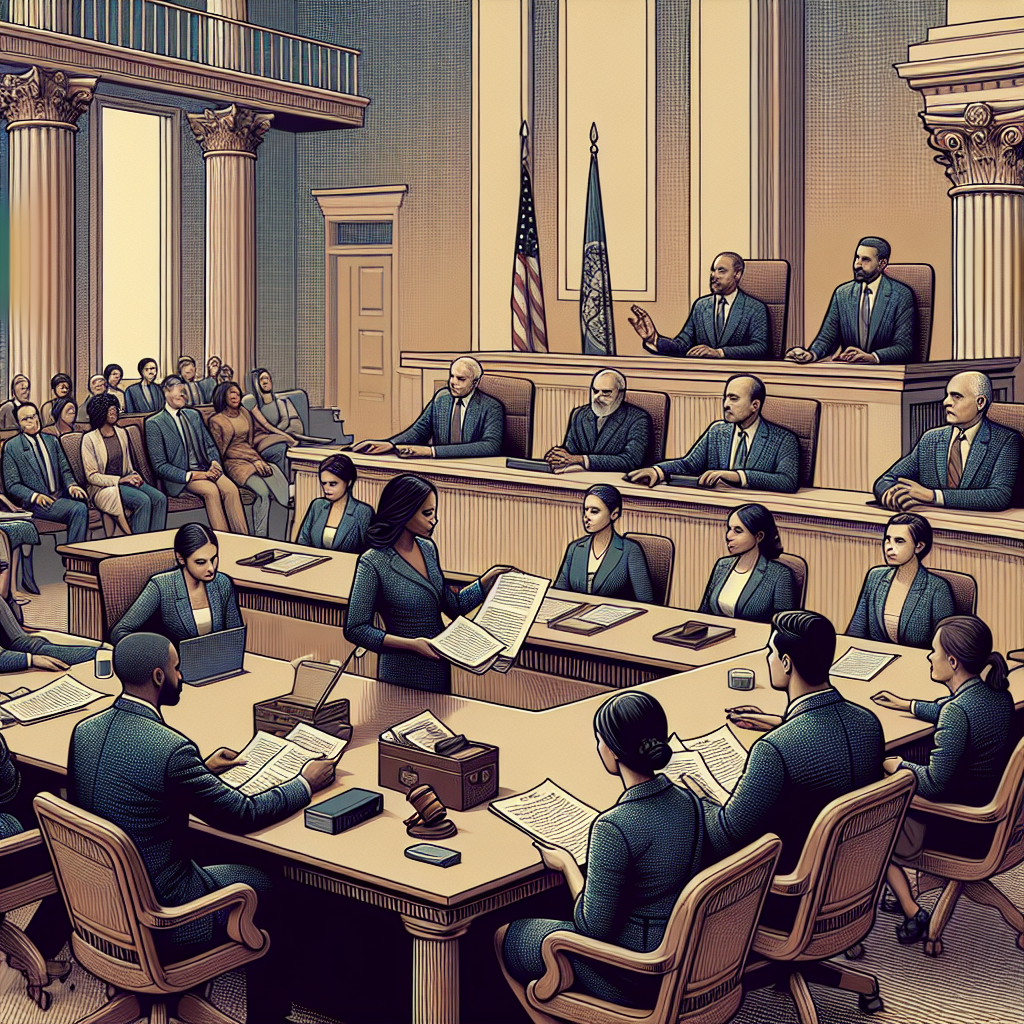
As the Supreme Court prepares to hear these arguments, the outcomes may not only affect the specific limits on coordinated expenditures but could also have broader implications for the future of campaign finance jurisprudence. The challengers have posited that maintaining the current limits would disrupt the Court’s recent precedents in campaign finance, suggesting that a decision to uphold these restrictions could lead to confusion and inconsistency in the law.
Potential Implications of the Court’s Decision
The implications of the Supreme Court’s ruling in this case extend beyond the immediate question of coordinated expenditures. Should the Court decide to strike down these limits, it could lead to significant changes in how political campaigns are financed and conducted in the United States. The potential for unlimited spending by political parties could alter the dynamics of electoral competition, affecting not only major party candidates but also third-party and independent candidates who may struggle to compete in an environment dominated by financial resources.
Furthermore, the decision could set a precedent for future campaign finance cases, influencing how courts interpret the First Amendment in relation to political spending. As the legal landscape evolves, stakeholders across the political spectrum will need to navigate the implications of increased spending and the potential for greater influence by affluent donors. The outcome of this case may very well determine the future trajectory of campaign finance law in America.
As the nation awaits the Supreme Court’s decision, the discourse surrounding campaign finance continues to evolve, reflecting deeper concerns about democracy, representation, and the role of money in politics. The legal principles at stake in this case will likely resonate for years to come, shaping the contours of political engagement and electoral integrity in the United States.
For further insights into related legal matters, consider exploring trump's authority decision, which also highlights the complexities of legal interpretations within the current political climate.