The ongoing debates surrounding transgender athletes have gained significant attention in recent years, particularly as various states enact laws impacting their participation in sports. The legal challenges to these laws have sparked discussions about fairness, inclusion, and the rights of transgender individuals. This explainer will delve into the key cases currently under scrutiny, examining the challengers, the laws in question, and the implications of these legal battles.
Key Cases Challenging State Laws
Two prominent cases are at the forefront of this legal discourse: Little v. Hecox and West Virginia v. B.P.J.. Both cases involve transgender women challenging state laws that restrict their participation in women’s sports. These cases will be argued on the same day, highlighting the urgency and significance of the issues at hand.
Challengers in Little v. Hecox
In the case of Little v. Hecox, the challenger is Lindsay Hecox, a 24-year-old transgender woman. Hecox filed her lawsuit while attempting to try out for the women’s track and cross-country teams at Boise State University in Idaho. Although she did not make the NCAA teams, she continues to compete at the club level. Her case is pivotal in questioning the fairness of the Idaho law, known as the Fairness in Women’s Sports Act, which was enacted in 2020 and imposes a blanket ban on transgender women’s participation in women’s and girls’ sports at all public school levels.
Challenger in West Virginia v. B.P.J.
The second case, West Virginia v. B.P.J., involves a 15-year-old high school student named B.P.J. who has publicly identified as female since the third grade. B.P.J. is currently undergoing hormone therapy to align her physical attributes with her gender identity. Her mother, Heather Jackson, took legal action when they learned that the West Virginia law, called the Save Women’s Sports Act, would prevent B.P.J. from participating on girls’ middle school sports teams. This law, enacted in 2021, mirrors Idaho’s legislation by prohibiting transgender women and girls from competing in women’s sports.
Legal Defenders of State Laws
In these cases, state officials are tasked with defending the laws that have come under scrutiny. In Idaho, Governor Bradley Little is the primary defender of the Fairness in Women’s Sports Act, joined by Boise State University and various state officials. These defenders argue that the law is necessary to ensure fairness in women’s sports.
Similarly, in West Virginia, the state government, along with the state board of education and local education officials, is defending the Save Women’s Sports Act. They assert that the law is essential for maintaining the integrity of women’s sports. The outcomes of these cases could set significant precedents regarding the rights of transgender athletes and the legality of state-imposed restrictions.

Implications of the Cases
The implications of these cases extend beyond the immediate athletes involved; they touch on broader societal issues regarding discrimination and inclusion. As the legal landscape continues to evolve, many are closely monitoring these cases for their potential impact on future legislation and the rights of transgender individuals.
For a deeper understanding of the legal framework surrounding these issues, it is important to consider the broader context of transgender athlete cases and their intersection with other discrimination cases. as these legal battles unfold, they may reshape the conversation around sports and gender identity. as the courts deliberate, the outcomes will undoubtedly influence not just the participants in these specific cases but also set a precedent for future legislation regarding transgender rights in sports and beyond. the ongoing legal battles surrounding transgender athletes have sparked significant debate across the united states. central to these cases are the challenges posed by transgender individuals seeking to participate in sports consistent with their gender identity. these cases raise important questions about fairness, inclusion, and the evolving landscape of sports regulations. challengers in the legal cases in the cases of little v. hecox and west virginia v. B.P.J., both challengers are transgender women. lindsay hecox, now 24 years old, initiated her lawsuit while attempting to join the women’s track and cross-country teams at boise state university in idaho. although hecox did not qualify for the NCAA teams, she continues to compete at the club level, highlighting her commitment to athletics despite the legal hurdles she faces. meanwhile, B.P.J., a 15-year-old high school student, has publicly identified as female since the third grade. B.P.J. has begun hormone therapy and takes medication to delay male puberty. her mother, heather jackson, filed a lawsuit when she learned that a west virginia law would prevent B.P.J. from participating in girls’ middle school sports, further emphasizing the personal stakes involved in these cases. the laws under scrutiny the state laws that have prompted these challenges are significant in their implications for transgender athletes. idaho’s fairness in women’s sports act, enacted in 2020, represents the first law of its kind in the united states, imposing a blanket ban on the participation of transgender women and girls in women’s sports teams at all public school levels. this legislation has been criticized for its potential to exclude transgender athletes from competitive sports altogether. similarly, the west virginia save women’s sports act, enacted in 2021, prohibits transgender women and girls from participating in women’s sports at public secondary schools and colleges. these laws have ignited discussions around the balance between protecting women’s sports and ensuring equal rights for transgender individuals. defending the legislation in the idaho case, the primary defender is governor bradley little, who is supported by boise state university and various state officials. the involvement of collegiate athletes in defending the law underscores the perceived need to protect competitive fairness in women's sports. conversely, in the west virginia case, the law is defended by the state, the state board of education, and local education officials, along with a former collegiate soccer player. this coalition illustrates a broader commitment to uphold the legislation, which they argue is necessary for maintaining the integrity of women’s sports. however, the legal and ethical ramifications of these laws continue to be a focal point of contention in the courts and public discourse. the outcomes of these cases could set significant precedents regarding the rights of transgender athletes and the future of sports regulations in the united states. as the legal battles unfold, many are closely monitoring the implications for both transgender rights and the landscape of competitive sports. for further insights, consider exploring the transgender athlete explainer, which provides additional context on these legal challenges. Moreover, examining court rulings on rights can shed light on how judicial interpretations may evolve in response to these pressing issues. Lastly, understanding the legal rights and cases surrounding marginalized groups can offer a broader perspective on the implications of such legislation.
The ongoing legal battles surrounding transgender athletes have sparked significant debate and concern across the United States. These cases challenge state laws that restrict the participation of transgender women and girls in women’s sports, raising questions about fairness, inclusion, and the rights of individuals based on their gender identity. As these cases progress through the judicial system, they highlight the complexities and implications of legislation aimed at regulating sports participation.
Overview of the Legal Challenges
The two prominent cases challenging the state laws are Little v. Hecox and West Virginia v. B.P.J. Both cases involve transgender women who are contesting the legality of restrictions imposed on their ability to compete in women’s sports. In Little v. Hecox, Lindsay Hecox, a 24-year-old transgender woman, initiated the lawsuit while attempting to join the women’s track and cross-country teams at Boise State University. Although she did not qualify for the NCAA teams, she remains active in club-level competitions.
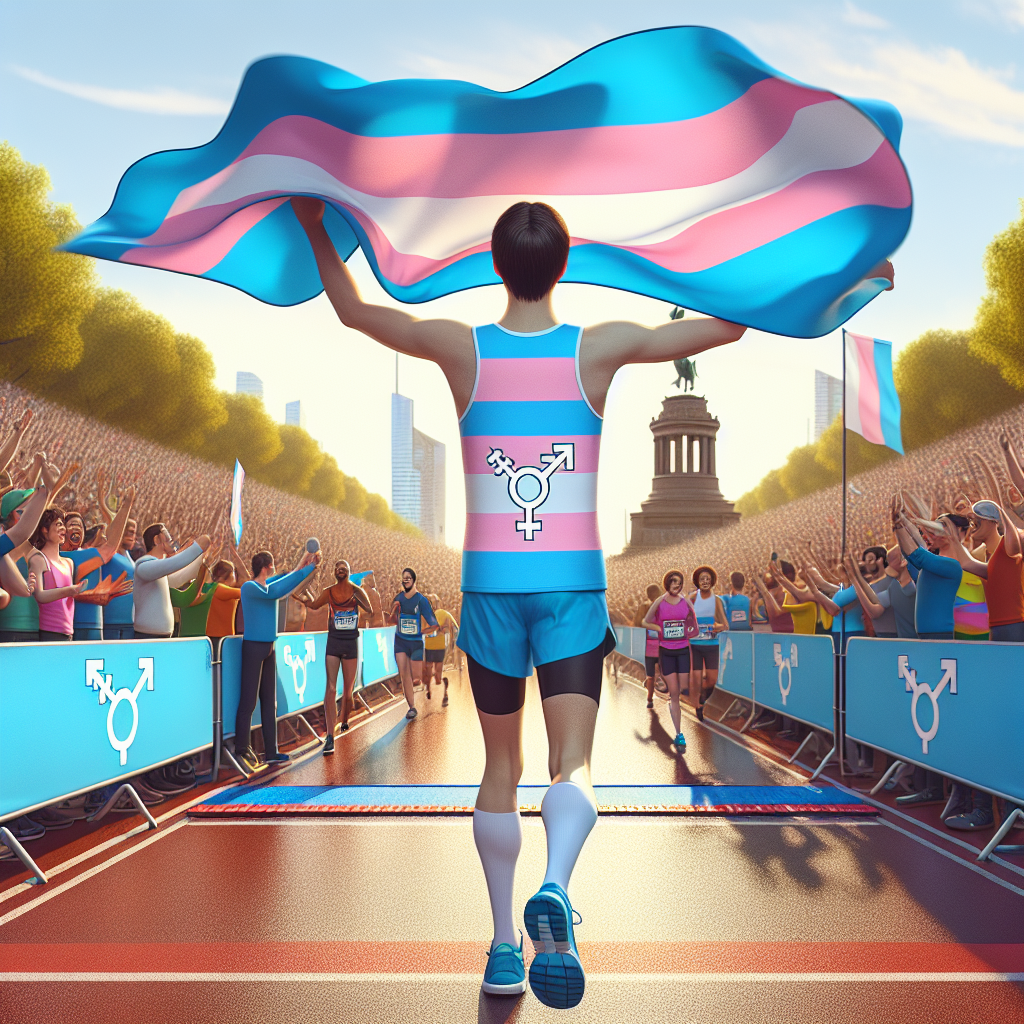
In the West Virginia case, B.P.J., a 15-year-old transgender girl, is represented by her mother, Heather Jackson. B.P.J. has publicly identified as female since the third grade and has been undergoing hormone therapy to align her physical characteristics with her gender identity. The legal action was prompted by the realization that a state law would prevent B.P.J. from participating in girls’ middle school sports, effectively denying her the opportunity to compete alongside her peers.
State Laws Under Scrutiny
Idaho’s Fairness in Women’s Sports Act, enacted in 2020, represents the first of its kind in the United States, imposing a blanket ban on transgender women and girls from participating in women’s sports teams across all educational levels. This law has been criticized for its sweeping nature, which many argue undermines the rights of transgender individuals and contradicts principles of equality.
Similarly, the West Virginia law, known as the Save Women’s Sports Act, enacted in 2021, prohibits transgender women and girls from competing on women’s sports teams in public secondary schools and colleges. Both laws have faced legal challenges, as opponents argue they violate civil rights and contribute to discrimination against transgender individuals. The implications of these laws extend beyond the individual athletes, influencing the broader conversation about gender identity and inclusion in sports.
Defenders of the Legislation
In the Idaho case, the primary defender of the law is Governor Bradley Little, who is joined by Boise State University and various state officials. Their defense argues that the law is necessary to protect fairness in women’s sports, claiming that allowing transgender women to compete could disadvantage cisgender women athletes. This position reflects a growing concern among some groups about competitive fairness and the integrity of women’s sports.

In West Virginia, the state government, alongside the state board of education and local educational authorities, is defending the Save Women’s Sports Act. Supporters of the law maintain that it is crucial to ensure that biological females are not placed at a competitive disadvantage. However, this viewpoint has been met with significant opposition, as many advocate for the rights of transgender athletes to compete in accordance with their gender identity.
Implications of the Cases
The outcomes of these legal challenges will likely have far-reaching implications for transgender rights and sports participation across the nation. As courts evaluate the balance between ensuring fair competition and protecting the rights of transgender individuals, the decisions made may set important precedents for future legislation and policy. The legal landscape surrounding transgender athletes is rapidly evolving, reflecting broader societal shifts regarding gender identity and inclusion.
Moreover, these cases underscore the need for a nuanced understanding of discrimination in sports. The legal arguments presented will not only influence the lives of the individuals involved but also shape the policies of educational institutions and sports organizations nationwide. As such, the implications of these rulings will resonate beyond the courtroom and into the arenas of public opinion and policy-making.
For more information on related issues, you can explore discrimination in sports and its impact on various communities.