The recent ruling by the Supreme Court regarding the case of William Case has significant implications for the understanding of police authority and the Fourth Amendment. The court unanimously upheld Case’s conviction for assaulting a police officer, affirming that the entry by law enforcement into his home without a warrant was justified under emergency circumstances. This decision sheds light on the legal standards governing police interventions and the balance between individual rights and public safety.
Background of the Case
The case originated in 2021 when William Case made alarming statements to his former girlfriend, identified in court documents as J.H. He threatened to commit suicide and indicated that he would shoot any police officers who attempted to approach him. Concerned for his safety, J.H. promptly contacted emergency services, leading to a response from three police officers who were tasked with conducting a welfare check. The officers arrived at Case’s residence with the intention of ensuring his well-being.
Upon their arrival, the officers faced an unsettling situation. Despite knocking on the door and calling into an open window, there was no response from Case. However, the officers observed several concerning indicators from outside the home. They noted empty beer cans, an empty handgun holster, and what appeared to be a suicide note visible through the window. These observations, combined with Case’s previous threats, contributed to the officers’ belief that immediate action was necessary.
Legal Justifications for Police Entry
Approximately 40 minutes after their arrival, the officers made the decision to enter Case’s home without a warrant. This action was taken under the premise that they were responding to an emergency situation. The court found that the officers had reasonable grounds to believe that Case required urgent assistance, thus justifying their warrantless entry. Justice Elena Kagan, in her opinion, emphasized that the officers’ belief was supported by the circumstances surrounding the case.
Once inside, the officers discovered Case hiding in a closet with a black object, which they initially believed to be a firearm. In the ensuing confrontation, one officer shot Case in the abdomen, and a subsequent search revealed a handgun hidden in a laundry hamper nearby. Following these events, Case sought to suppress the evidence obtained during the police entry, arguing that it was unconstitutional due to the lack of a warrant.
Implications of the Court’s Decision
The Supreme Court’s ruling has far-reaching implications for the interpretation of the Fourth Amendment, particularly in cases involving emergency situations. The court’s decision underscores the principle that law enforcement officers may act without a warrant when faced with circumstances that necessitate immediate action to prevent harm. This ruling aligns with previous case law, affirming that the need for emergency assistance can outweigh the requirement for a warrant.
Moreover, this case highlights the delicate balance between protecting individual rights and ensuring public safety. The court recognized that while the Fourth Amendment provides essential protections against unreasonable searches and seizures, there are exceptions that allow law enforcement to act swiftly in crisis situations. For further insights into similar cases regarding police authority, one can explore the court decision on entry and its implications.

As the legal landscape continues to evolve, this ruling serves as a critical reference point for future cases involving police interventions. It emphasizes the necessity for law enforcement to act judiciously while also recognizing their duty to protect citizens in perilous situations. The case of William Case will likely be cited in discussions concerning the limits of police authority and the rights of individuals in their homes.
- Emergency situations may justify warrantless entries.
- The balance of rights and safety is crucial in legal interpretations.
- Previous case law supports the court’s decision.
- Future cases will reference this ruling for police authority.
In conclusion, the Supreme Court’s unanimous decision reinforces the notion that police officers have the responsibility to act in emergencies, even if it means entering a home without a warrant. This case sets a significant precedent that may influence future legal interpretations regarding the Fourth Amendment and police conduct.
The legal landscape surrounding police entry into private residences without a warrant is complex and often contentious. In a recent ruling by the Supreme Court regarding the case of William Case, the court addressed the circumstances under which law enforcement may enter a home without a warrant. The decision, which upheld Case’s conviction for assaulting an officer, underscores the balance between individual rights and public safety, particularly in situations involving potential suicide threats.
Case Background and Legal Proceedings
William Case’s legal troubles began in 2021 when he allegedly threatened to take his own life and harm any police officers who responded to his residence. His former girlfriend, identified as J.H., promptly contacted emergency services, leading to a police welfare check. Upon their arrival, the officers were met with silence; however, they observed several concerning indicators through the windows of the home. These included empty beer cans, an empty handgun holster, and what appeared to be a suicide note. The police were also aware of Case’s previous threats and attempts to provoke officers into using deadly force against him.
After waiting approximately 40 minutes for a response, the officers made the decision to enter the home. Inside, they found Case hiding in a closet, armed with an object they believed to be a firearm. In the ensuing confrontation, one officer shot Case, while another discovered a handgun nearby. Following these events, Case sought to have the evidence obtained during this incident excluded from his trial, arguing that the police had violated his Fourth Amendment rights by entering without a warrant.
Supreme Court’s Ruling
The Supreme Court, in a unanimous decision authored by Justice Elena Kagan, determined that the police acted within the bounds of the law. The court ruled that the officers had a reasonable belief that Case required emergency assistance, which justified their warrantless entry. This ruling aligns with prior case law, which stipulates that when there is a compelling need for immediate action to protect life or prevent serious injury, law enforcement may bypass the warrant requirement.
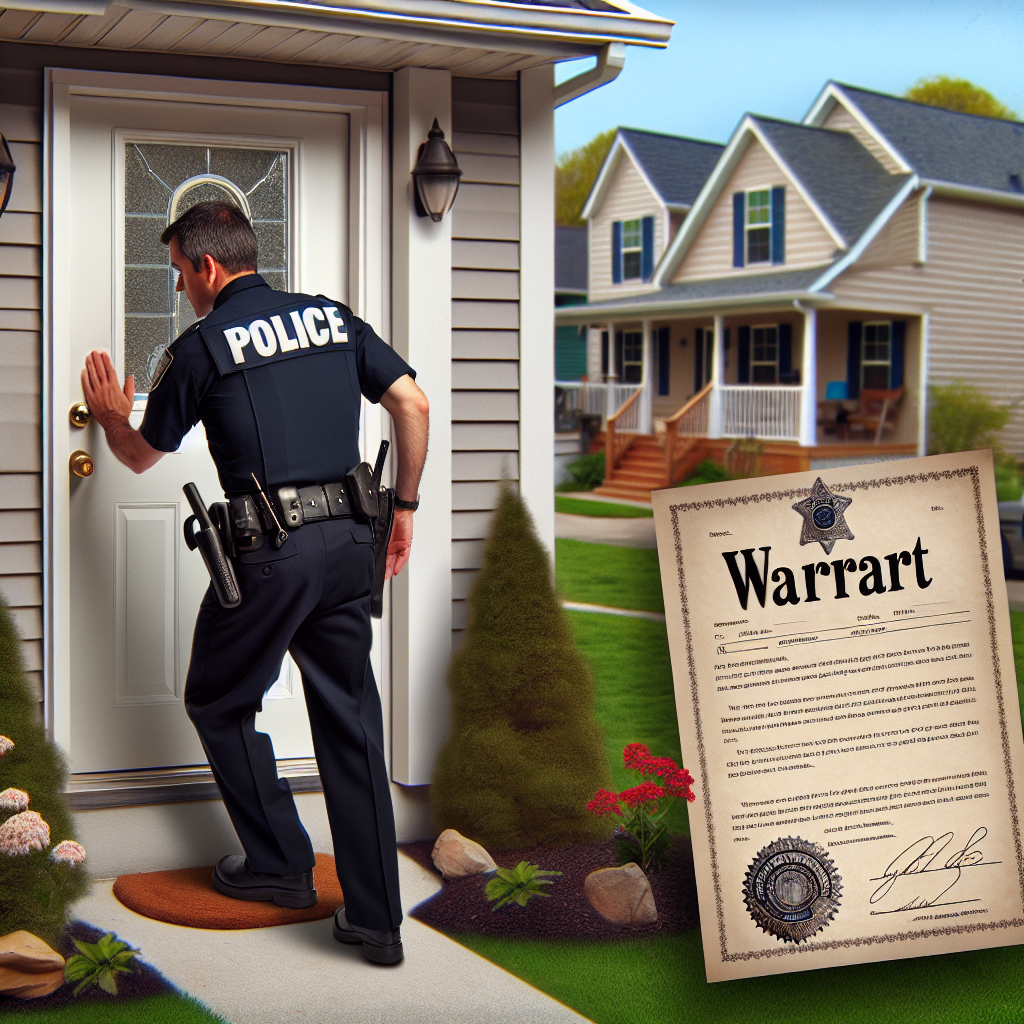
Justice Kagan emphasized the importance of context in assessing law enforcement actions, stating that the officers’ belief in the necessity of their intervention was reasonable given the circumstances. The court’s decision reinforces the notion that police officers are often required to make split-second judgments in high-stress situations, particularly when a person’s life may be in jeopardy. This case illustrates the delicate balance between ensuring public safety and respecting individual constitutional rights, particularly regarding searches incident to arrest.
Implications for Future Cases
The ruling in Case v. Montana may have significant implications for future legal proceedings involving police entries without warrants. It sets a precedent that could influence how courts evaluate similar cases, particularly those involving mental health crises or threats of suicide. The decision also highlights the necessity for law enforcement to act swiftly in situations where they believe immediate action is required to prevent harm.
Furthermore, the case underscores the ongoing debate about the scope of police powers and the protections afforded to individuals under the Fourth Amendment. As mental health awareness continues to grow, the legal system may need to adapt to better address the complexities of such incidents. The court’s ruling may serve as a reference point for oral argument insights and discussions surrounding police authority and individual rights in emergency situations.
Conclusion of Legal Proceedings
Ultimately, the Supreme Court’s decision reaffirmed the conviction of William Case and clarified the legal standards governing police entry into private homes. This ruling reflects a broader understanding of the challenges faced by law enforcement in responding to emergencies, particularly those involving individuals in crisis. As the legal landscape continues to evolve, cases like this will shape the future of police practices and the interpretation of constitutional rights.
In summary, the decision in Case v. Montana illustrates the court’s recognition of the need for police to act decisively in life-threatening situations, while also emphasizing the importance of maintaining constitutional protections. The balance between public safety and individual rights remains a critical aspect of the ongoing dialogue surrounding police authority and accountability, as evidenced by the outcomes of similar court hearing arguments.
The Supreme Court’s ruling in Case v. Montana highlights the delicate balance between individual rights and public safety. In this case, the court unanimously supported the actions of law enforcement officers who entered a residence without a warrant, based on their reasonable belief that immediate intervention was necessary. This decision underscores the legal principles surrounding emergency situations and the interpretation of the Fourth Amendment, which protects citizens from unreasonable searches and seizures.

Legal Precedents and Emergency Exceptions
The foundation for the court’s decision lies in established legal precedents regarding emergency situations. The Supreme Court has previously ruled that police officers may enter a home without a warrant if they have a reasonable belief that someone inside is in danger. Justice Elena Kagan emphasized that the officers’ belief in the need for emergency assistance was justified based on the information they received from Case’s former girlfriend, J.H. Her report of Case’s suicidal threats provided a compelling reason for the officers to act swiftly.
In this case, the officers observed several indicators that heightened their concern for Case’s welfare. The empty beer cans and the presence of what they believed to be a suicide note contributed to their assessment of the situation. Moreover, the officers had prior knowledge of Case’s history of suicidal behavior and threats against law enforcement. This context played a crucial role in the court’s determination that the officers acted within their legal rights.
The Implications of the Ruling
The implications of the Supreme Court’s ruling extend beyond this particular case, influencing how law enforcement agencies approach similar situations in the future. The decision affirms that officers can prioritize immediate response over the procedural requirement of obtaining a warrant when lives are at stake. This could lead to more proactive measures by police in instances where they suspect a person may be in imminent danger.
Furthermore, this ruling may also impact ongoing discussions about police practices and their legal boundaries. While the court supported the officers’ actions in this instance, it also raises questions about the potential for abuse of power. Critics of the decision may argue that it sets a precedent that could be exploited in less clear-cut situations. For a deeper examination of related issues, the case on racial discrimination in jury selection offers insights into how legal interpretations can evolve in various contexts.
Conclusion of Legal Proceedings
Ultimately, the Supreme Court’s decision in Case v. Montana reflects a commitment to maintaining public safety while navigating the complexities of constitutional rights. The ruling serves as a reminder of the importance of context in legal determinations, particularly in emergency scenarios. As law enforcement continues to face challenges in balancing their duties with citizens’ rights, this case will likely remain a significant reference point in discussions about the limits of police authority.