The intersection of religious symbols and government representation has long been a contentious issue in the United States. This complexity is particularly evident in cases involving statues of saints and their implications for church-state separation. The ongoing legal battles surrounding such displays raise critical questions about the nature of religious expression in public spaces and the potential for perceived favoritism towards specific faiths. Recent developments in Massachusetts exemplify these challenges, showcasing the delicate balance that must be maintained between honoring cultural heritage and adhering to constitutional principles.
Legal Framework Governing Religious Displays
In the United States, the First Amendment establishes a framework for the separation of church and state, which has been interpreted through various court rulings over the years. This separation aims to prevent the government from endorsing or promoting any particular religion while simultaneously protecting individual rights to religious expression. The Supreme Court has often navigated this complex landscape, particularly regarding public religious displays, which can lead to disputes over perceived endorsements of specific faiths.
One notable example involves the ongoing debate over public religious symbols, including statues. The controversy often centers around whether these symbols convey a message of exclusivity or inclusivity. For instance, the implications of religious displays have been scrutinized to assess their impact on community dynamics and individual rights. Legal scholars argue that these cases demonstrate the need for clear guidelines to navigate the murky waters of religious expression in public spaces.
The Quincy Case: An Illustrative Example
The case in Quincy, Massachusetts, serves as a poignant illustration of these tensions. The city’s mayor commissioned statues of Saints Michael and Florian, figures revered in the Christian faith as protectors of police officers and firefighters, respectively. This decision was met with significant backlash from residents and advocacy groups who argued that the statues would violate the Massachusetts Constitution’s religious-freedom provisions.
Litigants contended that the display of these statues would impose religious symbols on all who interact with the public safety building, thereby promoting a narrative that Quincy is a predominantly Catholic community. This perception could potentially alienate non-Catholic residents and visitors, raising concerns about the entanglement of government with religious institutions. The trial court’s ruling in favor of the plaintiffs further underscores the complexities involved in such cases, as it reflects a broader concern about the implications of public religious displays.
As the litigation unfolds, it raises important questions about the role of public symbols in a diverse society. The ongoing discussions highlight the need for careful consideration of how religious imagery is integrated into public spaces. Legal experts suggest that these cases might prompt a reevaluation of existing precedents and encourage a more nuanced understanding of religious expression in government contexts. The Quincy case is a reminder that the balance between honoring tradition and ensuring inclusivity is a challenging endeavor.
Broader Implications for Religious Expression
The Quincy case is not an isolated incident but part of a larger trend in the United States regarding the treatment of religious symbols in public spaces. As communities become increasingly diverse, the implications of displaying religious imagery must be carefully weighed against constitutional principles. The legal landscape surrounding these issues continues to evolve, reflecting changing societal values and attitudes towards religion.

Moreover, the outcome of such cases can set significant precedents for future disputes. For instance, the Supreme Court’s approach to cases involving religious expression has often been characterized by a desire to uphold individual rights while maintaining the essential separation of church and state. This delicate balance is crucial to ensuring that all citizens feel represented and respected, regardless of their religious beliefs.
Additionally, the discourse surrounding these legal battles often extends beyond the courtroom. Community engagement and public opinion play vital roles in shaping the outcomes of such disputes. As seen in Quincy, local sentiments can significantly influence legal proceedings and public policy decisions. It remains to be seen how the courts will navigate these complexities in the future, but the ongoing dialogue surrounding church-state separation is likely to continue.
- Understanding the implications of religious displays
- Evaluating community responses to public symbols
- Exploring the evolving legal landscape
- Considering the role of public opinion in legal outcomes
The intersection of religion and public life remains a contentious issue in the United States, particularly in the context of church-state separation. This tension is vividly illustrated by the recent case involving the city of Quincy, Massachusetts, where the display of religious statues has sparked significant debate. The legal ramifications of such displays not only challenge the boundaries of religious freedom but also raise questions about the nature of public spaces and the messages conveyed through public art.
Legal Precedents and Religious Symbols
The ongoing litigation in Quincy highlights the complexities surrounding public religious symbols. The city’s decision to erect statues of Saint Michael and Saint Florian has been met with opposition, as plaintiffs argue that these figures represent an endorsement of a specific faith, thus violating the religious-freedom provisions of the Massachusetts Constitution. The impact of presidential rhetoric on judicial decisions in such cases cannot be overlooked, as it often shapes public perception and influences the legal discourse surrounding church-state relations.
Legal precedents set by the Supreme Court have established a framework for evaluating the constitutionality of religious displays on public property. The Court’s previous rulings emphasize the need to balance the historical significance of such symbols against the principle of governmental neutrality in religious matters. In this context, the Quincy case serves as a crucial test of how these principles are applied at the state level, particularly when local governments engage in actions that may appear to favor one religion over others.
Public Sentiment and Community Identity
The community’s reaction to the proposed statues reflects broader societal attitudes toward religion in public spaces. Advocates for the statues argue that they honor the contributions of first responders and recognize the historical role of these saints in the context of public service. However, opponents contend that the display of religious figures in a government building sends a message of exclusion, effectively communicating that non-Catholics are less valued in the community. This sentiment echoes concerns raised in other legal battles, such as those addressing malpractice actions limits and their implications for minority groups seeking equal treatment under the law.
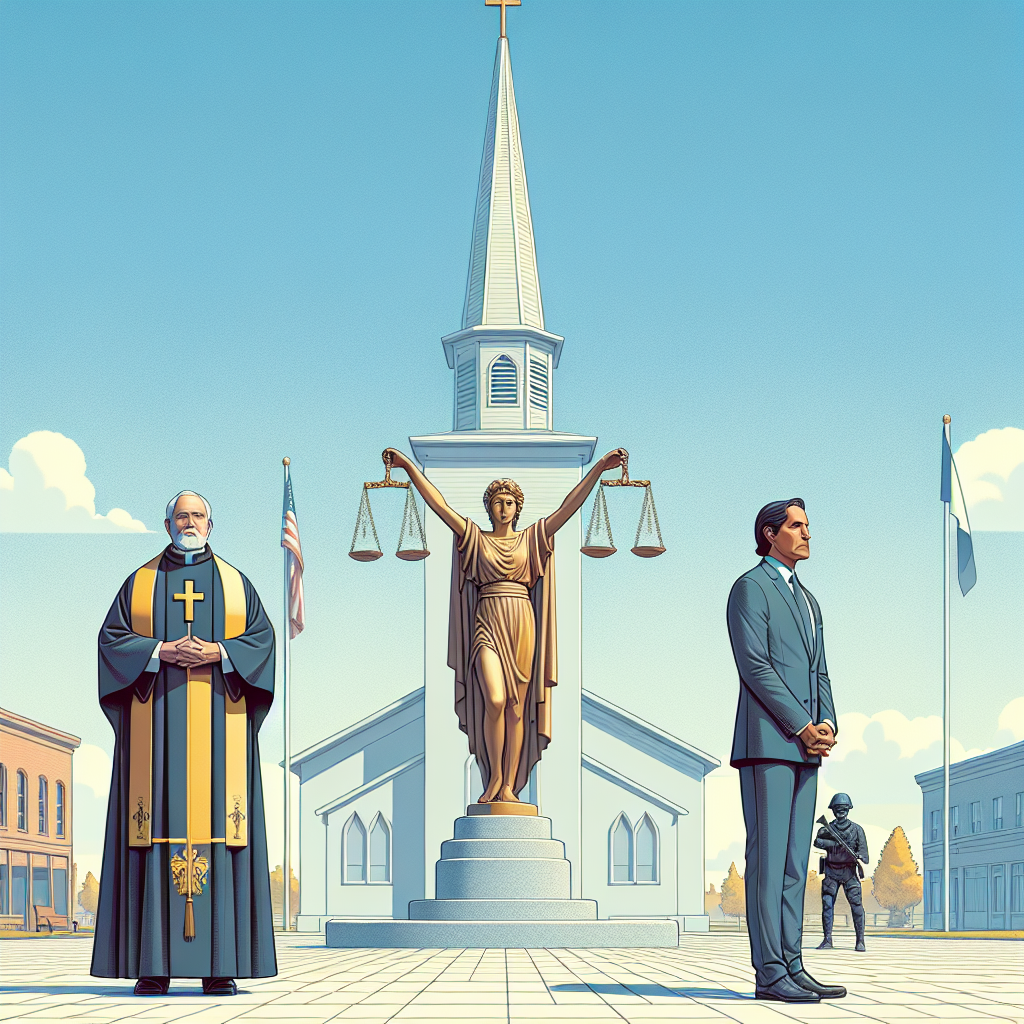
As the case unfolds, it becomes clear that the implications extend beyond the immediate controversy. The outcome may set a precedent for how similar disputes are handled in the future, influencing the relationship between religious expression and governmental authority. The evolving nature of church-state separation necessitates ongoing dialogue and legal scrutiny, particularly in light of recent rulings that have sought to clarify the boundaries of religious freedom.
Implications for Future Cases
The Quincy case exemplifies the challenges faced by courts in navigating the delicate balance between honoring religious traditions and upholding secular governance. The potential for confusion and uncertainty surrounding public religious symbols remains a pressing issue. As legal scholars and practitioners analyze the implications of this case, it is essential to consider how it fits within the broader landscape of religious freedom jurisprudence. The ongoing discussions about racial discrimination jury selection and other civil rights matters further illustrate the interconnectedness of these legal principles.
Moving forward, the legal framework surrounding church-state separation will likely continue to evolve, shaped by societal values and judicial interpretations. The Quincy case serves as a critical reminder of the importance of maintaining a nuanced understanding of religious freedom and its implications for public life. As communities grapple with these issues, the outcomes of such legal battles will undoubtedly influence the future landscape of religious expression in America.
The ongoing legal disputes surrounding the intersection of religious symbols and government institutions highlight the complexities inherent in church-state separation. As communities grapple with the presence of religious imagery in public spaces, the implications for inclusivity and representation come to the forefront. The case of Quincy, Massachusetts, serves as a poignant example of how local governance and religious expression can clash, raising significant questions about the role of public symbols in a diverse society.
The Quincy Case: A Reflection of Broader Issues
In Quincy, the decision to erect statues of Saint Michael and Saint Florian has sparked a contentious debate about religious representation in public spaces. The mayor’s initiative, intended to honor the patron saints of police officers and firefighters, has been met with legal challenges that argue the display of these statues violates the Massachusetts Constitution’s religious-freedom provision. Critics assert that such displays could alienate non-Catholic residents and send a message that the community aligns exclusively with Catholic values. The local trial court’s agreement with these concerns underscores the ongoing tension between community traditions and the need for religious neutrality in government contexts.

Legal Implications and Community Responses
The legal ramifications of the Quincy case extend beyond the immediate dispute over the statues. It invites a broader examination of how religious symbols are perceived within public institutions and their potential impact on community cohesion. As the ACLU of Massachusetts articulated, the presence of religious figures in a public safety building could be interpreted as an endorsement of specific religious beliefs, which may not reflect the diversity of the community. This raises essential questions about the extent to which government entities can engage with religious symbols without infringing upon the rights of individuals who may not share those beliefs.
Furthermore, the Quincy case illustrates the ongoing challenges faced by local governments in navigating the delicate balance between honoring cultural traditions and adhering to constitutional mandates regarding religious freedom. As litigation continues, the outcome may set important precedents for similar cases across the country. The implications of such rulings could influence how public spaces are designed and how community values are represented, potentially reshaping the landscape of church-state relations.
The Future of Religious Symbols in Public Spaces
Looking ahead, the Quincy case may serve as a bellwether for how communities across the United States address the presence of religious symbols in public life. As more municipalities confront similar dilemmas, it becomes increasingly important to consider the diverse beliefs of all residents when making decisions about public displays. The discussions surrounding this case reflect a growing awareness of the need for inclusivity in public spaces, fostering a sense of belonging for individuals of all faiths and backgrounds.
In the broader context of church-state separation, the Quincy dispute emphasizes the necessity for a nuanced understanding of religious expression within governmental frameworks. The legal principles at stake require careful consideration of historical precedents and evolving societal values. As the legal landscape continues to evolve, it will be crucial for communities to engage in thoughtful dialogue about the role of religious symbols in public life, ensuring that all voices are heard and respected.
Ultimately, the outcome of the Quincy case may influence future legal interpretations regarding public religious symbols and their implications for community identity. As courts strive to clarify these complex issues, the ongoing conversation about church-state separation will remain vital to shaping a democratic society that values both religious freedom and inclusivity. For those interested in the broader context of legal authority and governance, trump’s authority case offers insights into the evolving relationship between government actions and constitutional principles.