The Supreme Court is set to examine a pivotal case concerning the intersection of racial discrimination and jury selection, specifically focusing on the constitutional implications of peremptory challenges. This case, Pitchford v. Cain, arises from the conviction of Terry Pitchford, who argues that his death sentence was imposed in violation of the Constitution’s prohibition against racial discrimination in jury selection. The outcome of this case could have significant ramifications for how juries are selected across the United States.
Background of the Case
Terry Pitchford was convicted nearly two decades ago for his involvement in the fatal shooting of a shopkeeper. During his trial in 2006, the local district attorney, Doug Evans, exercised peremptory challenges to dismiss four potential jurors, all of whom were Black. Pitchford’s defense attorneys objected to these dismissals, citing the landmark Supreme Court decision in racial discrimination cases. They argued that the prosecutor’s actions violated the principles established in Batson v. Kentucky, which prohibits the removal of jurors based solely on race. However, the trial judge dismissed their objections.
The Mississippi Supreme Court later upheld Pitchford’s conviction, asserting that he had forfeited his right to contest the jury selection process by failing to adequately counter the race-neutral justifications provided by the prosecutor. This ruling raised significant concerns about the standards applied to jury selection and the protection of minority rights within the judicial system.
Legal Proceedings and Appeals
After exhausting state-level appeals, Pitchford sought post-conviction relief in federal court. U.S. District Judge Michael Mills ruled in favor of Pitchford, stating that the Mississippi Supreme Court had erred in its analysis of the waiver issue. He ordered the state to retry Pitchford within 180 days or release him. However, the U.S. Court of Appeals for the 5th Circuit reversed this decision, asserting that the district court had incorrectly interpreted the procedural history of the case.
This reversal has led to further scrutiny of the judicial processes involved in jury selection and the potential for racial bias. The implications of this case extend beyond Pitchford’s individual circumstances, as it raises questions about the systemic issues of discrimination that can permeate the jury selection process.
Impact and Implications
The Supreme Court’s decision to hear Pitchford v. Cain is a critical moment for the legal landscape surrounding jury selection. If the Court rules in favor of Pitchford, it could set a precedent that reinforces the protections against racial discrimination in jury selection across the nation. This case could also influence future legislation aimed at addressing inequalities within the judicial system.
Moreover, the Court’s ruling may prompt a reevaluation of the standards used to assess the validity of peremptory challenges, potentially leading to reforms in how juries are composed. Such changes could help to ensure that juries are more representative of the communities they serve, thereby enhancing public confidence in the justice system.

In conclusion, the upcoming hearings will not only affect Terry Pitchford’s fate but also carry broader implications for racial equity in jury selection. The judicial community and civil rights advocates will be closely monitoring the developments in this case, as its outcomes may reverberate throughout the legal system.
- The importance of jury diversity
- Historical context of Batson v. Kentucky
- Potential reforms in jury selection procedures
As discussions surrounding this case unfold, it will be essential to consider the broader societal impacts of jury selection practices. The outcome could potentially reshape legal standards and promote greater accountability in the pursuit of justice.
The case of Pitchford v. Cain has garnered significant attention as it raises critical questions regarding racial discrimination in jury selection. The Supreme Court’s decision to hear this case underscores the ongoing challenges surrounding the application of the Constitution’s protections against racial bias in the justice system. The implications of this case extend beyond the individual circumstances of Terry Pitchford, as it may set important precedents for future cases involving jury selection and racial discrimination.
Background of the Case
Terry Pitchford was convicted nearly two decades ago for his involvement in the fatal shooting of a local shopkeeper. His conviction and subsequent death sentence were fraught with controversy, particularly due to the actions of the district attorney at his trial. Doug Evans, the prosecutor, dismissed four potential jurors, all of whom were Black, despite objections from Pitchford’s defense team. The defense argued that these peremptory strikes violated the Supreme Court’s ruling in redistricting challenge, which established that removing jurors based on race is unconstitutional. However, the trial judge dismissed these concerns, leading to a series of appeals and legal battles.
The Mississippi Supreme Court upheld Pitchford’s conviction, asserting that he had forfeited his right to challenge the jury selection process. Their reasoning was that Pitchford did not adequately contest the race-neutral justifications provided by the prosecutor for the dismissal of the Black jurors. This decision was met with disapproval from advocates for racial justice, who argued that the integrity of the jury selection process was compromised by racial bias.

Federal Court Proceedings
Seeking relief, Pitchford turned to federal court, where U.S. District Judge Michael Mills ruled in his favor. Judge Mills ordered the state to retry Pitchford within 180 days or release him. This ruling highlighted the disparities in judicial interpretations regarding racial discrimination in jury selection. However, the U.S. Court of Appeals for the 5th Circuit overturned Mills’ decision, arguing that the Mississippi Supreme Court’s waiver analysis was sound. The appellate court suggested that even if the district court had erred, Pitchford’s objections were insufficient to warrant a reversal of his conviction.
The ongoing legal battle raises fundamental questions about the protections against racial discrimination in the judicial process. As this case progresses through the Supreme Court, it will not only impact Pitchford’s fate but may also influence future cases involving similar claims of racial bias. The decision could further clarify the standards for evaluating claims of discrimination in jury selection, potentially reshaping the landscape of criminal justice. The court’s consideration of this case is particularly timely, given the ongoing discussions surrounding arbitration and criminal offenses in the context of racial equality.
Implications for Future Cases
The Supreme Court’s ruling in Pitchford v. Cain could set a significant precedent that affects how courts across the nation handle similar cases. If the court finds in favor of Pitchford, it may reinforce the principles established in intellectually disabled inmate cases regarding the necessity of a fair jury selection process devoid of racial bias. Such a ruling could empower defendants facing similar circumstances to challenge jury selections more effectively.
The case highlights the critical need for continuous scrutiny of jury selection practices to ensure that they align with constitutional protections against discrimination. As the legal community and the public await the Supreme Court’s decision, the outcome will undoubtedly resonate within discussions on race, justice, and the legal system’s integrity. The stakes are high, and the ramifications of this case will extend well beyond the courtroom, influencing public perceptions of fairness and equality in the judicial process.
The upcoming Supreme Court hearing regarding the case of Terry Pitchford brings to the forefront critical issues surrounding racial discrimination in jury selection. This case not only examines the specific circumstances of Pitchford’s trial but also has broader implications for the legal standards governing jury selection across the United States. The significance of this case lies in its potential to reinforce or redefine the legal protections against racial bias in the judicial process.
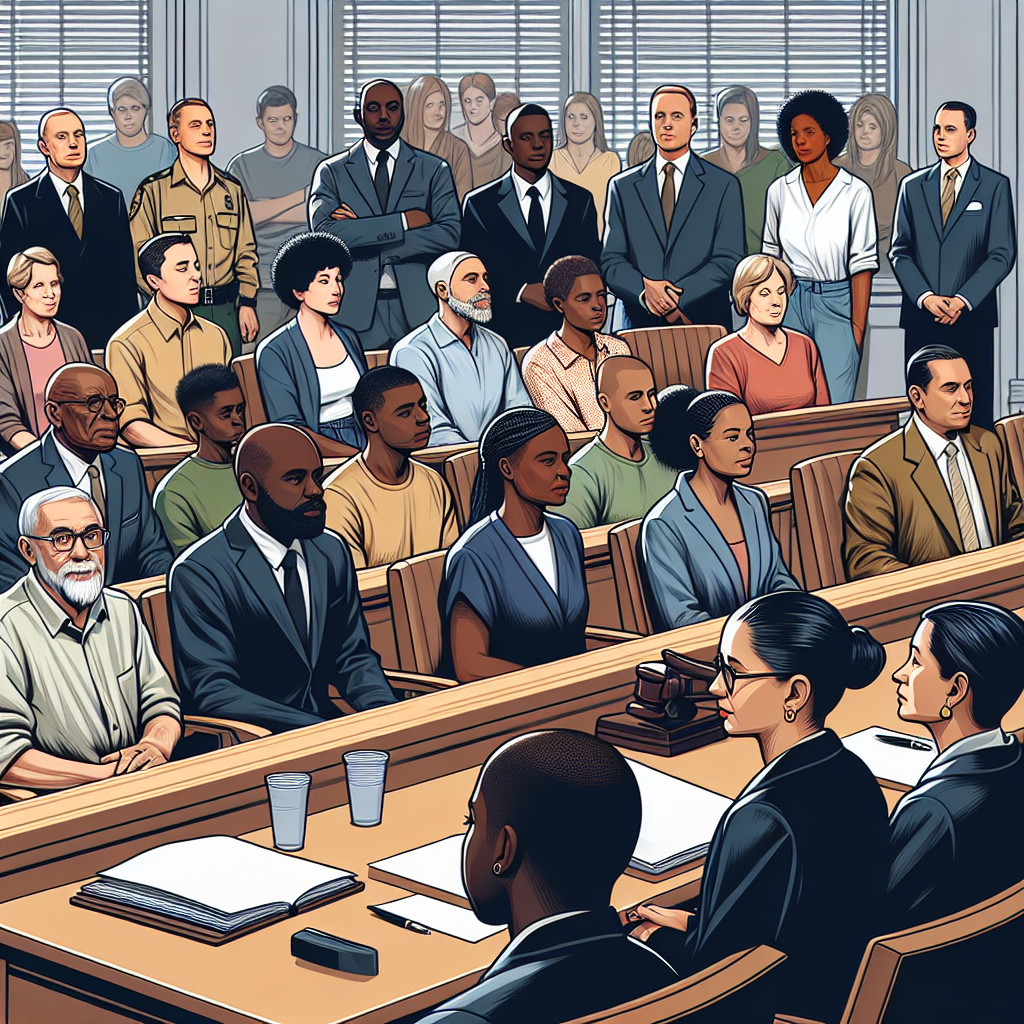
Background of the Case
Terry Pitchford was convicted and sentenced to death nearly twenty years ago for his involvement in a shopkeeper’s murder. The trial took place in 2006, during which the local district attorney, Doug Evans, exercised peremptory challenges to exclude four Black potential jurors. The defense argued that these actions violated the precedent set by the Supreme Court in Batson v. Kentucky, which prohibits the removal of jurors based solely on race. Despite the defense’s objections, the state trial judge ruled against them, leading to further appeals.
The Mississippi Supreme Court upheld Pitchford’s conviction, asserting that he had forfeited his right to challenge the jury selection process because he failed to adequately counter the prosecutor’s race-neutral explanations. This decision sparked a series of legal battles, ultimately reaching federal court, where U.S. District Judge Michael Mills granted Pitchford post-conviction relief, citing errors in the Mississippi Supreme Court’s waiver analysis.
Legal Implications and Broader Context
The Supreme Court’s decision to hear Pitchford’s case could have far-reaching implications for how courts address claims of racial discrimination in jury selection. If the Court finds in favor of Pitchford, it may reinforce the standards established in Batson v. Kentucky, ensuring that racial bias in jury selection is taken seriously and addressed rigorously by lower courts. This case serves as a reminder of the ongoing challenges in achieving equitable representation within the judicial system.
Moreover, the legal landscape surrounding jury selection is complex and often fraught with inconsistencies. The varying interpretations of what constitutes a valid race-neutral reason for striking a juror can lead to disparities in how cases are decided across different jurisdictions. The upcoming hearing may clarify these standards, providing guidance to lower courts on how to evaluate claims of discrimination effectively.
As the case unfolds, it is crucial for legal professionals and advocates to monitor its developments closely. The outcome may not only affect Pitchford’s fate but could also shape the future of jury selection practices nationwide. For those interested in the nuances of constitutional law, this case highlights the importance of understanding the confrontation clause and its implications in post-conviction relief scenarios.