The complex landscape of redistricting law has reached a critical juncture, particularly following the Supreme Court’s decision in Rucho v. Common Cause. This ruling declared that federal courts lack the authority to intervene in matters of partisan gerrymandering, leading to a proliferation of contentious redistricting cases across the United States. As states rush to redraw their electoral maps, the implications of this judicial abdication have become increasingly evident, often resulting in maps that favor one political party over another.
The Aftermath of Rucho v. Common Cause
The Rucho decision has left many wondering about the future of fair representation in the electoral process. By effectively removing the judiciary from the equation, the ruling has allowed partisan interests to dictate the drawing of district lines. This has particularly affected states like Texas, where recent redistricting efforts have sparked significant legal challenges.
For instance, in the case of texas redistricting map, the Supreme Court’s intervention has highlighted the troubling trend of partisan gerrymandering. The court’s decision to allow the new congressional map to go into effect, despite allegations of racial discrimination, has raised questions about the integrity of the electoral process.
<h3.Critical Examination of Recent Cases
Recent cases, such as Abbott v. League of United Latin American Citizens, illustrate the contentious nature of redistricting in the current political climate. The Supreme Court’s emergency stay of a lower court’s injunction demonstrates the high stakes involved in these legal battles. The Texas map, adopted at the behest of former President Donald Trump, aimed to secure additional congressional seats for Republicans, further complicating the narrative surrounding redistricting.
Critics argue that the motivation behind these maps is purely partisan, undermining the democratic process. The expectation that redistricting should occur only after each decennial census is being disregarded, leading to a chaotic political landscape. As states like Texas push forward with mid-decade map changes, the potential consequences for voters become increasingly concerning.
- Increased political polarization
- Voter confusion and apathy
- Legal battles over map legitimacy
The implications of these changes extend beyond immediate electoral outcomes. They also influence the long-term relationship between voters and their representatives, potentially eroding trust in the electoral system. As the Supreme Court continues to hear redistricting challenges, the need for a more equitable approach to districting becomes ever more critical.
As highlighted by redistricting challenges, the stakes are high for voters who may find themselves disenfranchised by maps designed to entrench partisan power. The ongoing legal battles underscore the urgent need for reform in redistricting practices to ensure fair representation for all citizens.

Redistricting is a complex and contentious process that significantly impacts electoral outcomes and the balance of political power. As various states navigate the redistricting landscape, legal challenges continue to emerge, revealing the depths of partisanship and the often controversial nature of map drawing. The Supreme Court’s previous rulings, particularly the 2019 decision in Rucho v. Common Cause, have left many states grappling with the implications of partisan gerrymandering, leading to a cycle of litigation that seems far from resolution.
Consequences of Rucho v. Common Cause
The Supreme Court’s ruling in Rucho v. Common Cause effectively barred federal courts from intervening in cases of partisan gerrymandering, which many believe has exacerbated the already fraught nature of redistricting. As states like Texas push forward with new maps, the implications of this decision have become increasingly apparent. For instance, the recent case of texas appeals redistricting has highlighted the challenges that arise when partisan interests override fair representation. The court’s hands-off approach has emboldened state legislatures to draw maps that favor one party over another, often leading to legal battles that question the very integrity of the electoral process.
Moreover, the situation in Texas underscores a broader trend where political motivations drive redistricting efforts. In the case of Abbott v. League of United Latin American Citizens, the Supreme Court intervened to allow a new congressional map that many critics argue was designed to enhance Republican advantages. This reflects a growing concern that states are prioritizing political gain over the principles of fair representation, further complicating the legal landscape surrounding redistricting.
Impact on Political Landscape
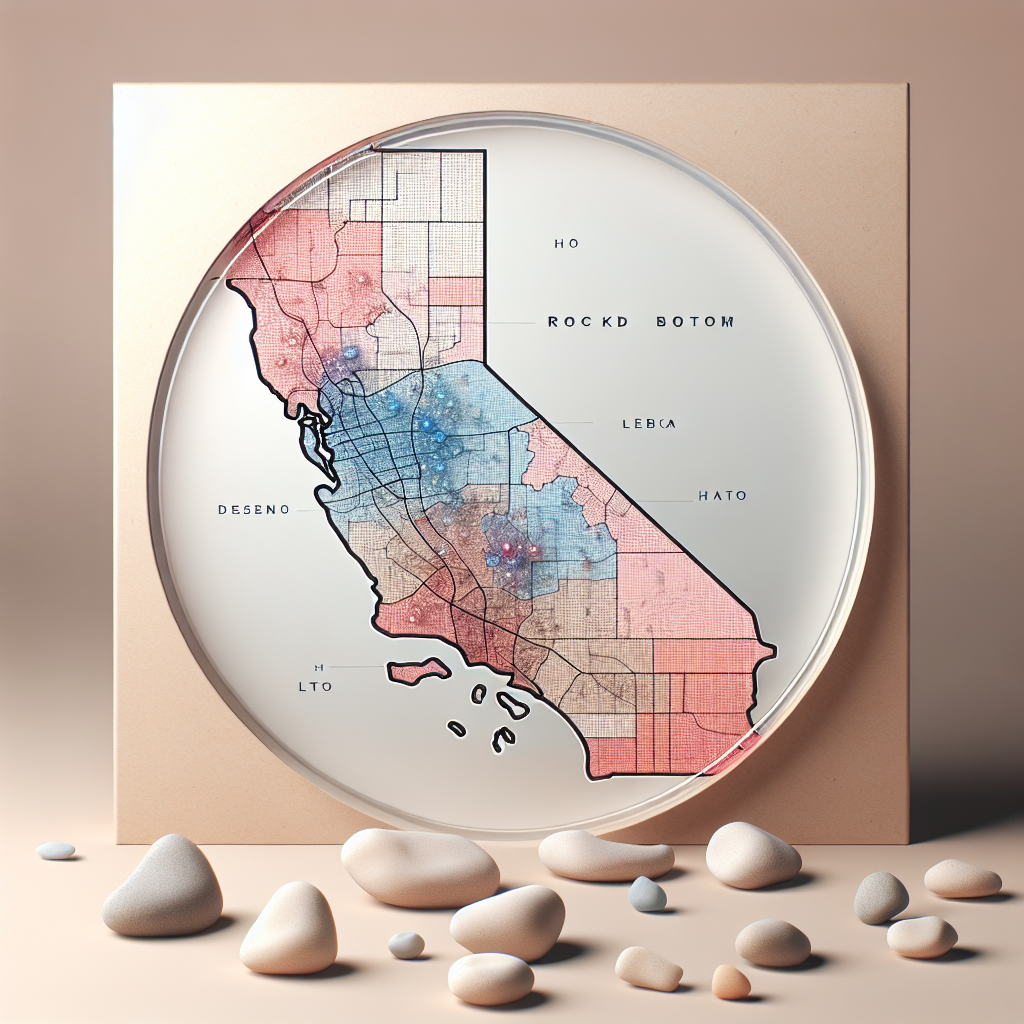
The ramifications of aggressive redistricting practices are profound, influencing not just electoral outcomes but also public trust in the democratic process. As partisan maps become the norm, the electorate may feel increasingly disenfranchised, questioning the legitimacy of elections and the motives behind districting decisions. This sentiment is evident in ongoing discussions about the need for reform, as advocates push for independent commissions to oversee redistricting efforts. Such reforms aim to mitigate the risks associated with challengers to redistricting that emerge when political interests dominate the map-drawing process.
Furthermore, the ongoing challenges highlight the tension between state and federal authority in electoral matters. As states like Texas navigate their redistricting efforts, the potential for conflict with federal standards remains a pressing concern. The Supreme Court’s inaction on key issues related to gerrymandering has left many states in a precarious position, where the balance between state rights and fair electoral practices is continually tested.
Future of Redistricting Litigation
Looking ahead, the future of redistricting litigation appears uncertain, with ongoing cases poised to challenge the status quo established by Rucho v. Common Cause. Legal experts anticipate that as the 2024 elections approach, more states will face scrutiny over their redistricting practices, leading to an influx of cases that may eventually reach the Supreme Court. The court’s willingness to engage with these issues will be crucial in determining the direction of redistricting law and its implications for democracy.
In this evolving landscape, the importance of public awareness and advocacy cannot be overstated. As citizens become more informed about the intricacies of redistricting, they may demand greater accountability from their elected officials. The intersection of law, politics, and public sentiment will play a pivotal role in shaping the future of electoral representation in the United States, especially as cases like birthright citizenship case continue to unfold.
The ongoing debate around redistricting cases marks a critical juncture in American electoral politics. As states grapple with the implications of gerrymandering, the courts are increasingly called upon to address the legality and fairness of district maps. Amidst this turmoil, the implications of the Supreme Court’s decision in Rucho v. Common Cause continue to reverberate, creating a complex landscape for future redistricting litigation.
Challenges in Redistricting
One of the main challenges in redistricting is the balance between fair representation and political advantage. The Supreme Court’s ruling in Rucho effectively removed federal oversight from partisan gerrymandering cases, leaving states to navigate these waters on their own. This has led to a proliferation of state-level lawsuits, as seen in the recent Abbott v. League of United Latin American Citizens case, where the Texas congressional map was contested. The court’s decision to allow the new map to take effect illustrates the difficulties faced by those seeking to challenge partisan-driven redistricting.
Moreover, the political motivations behind redistricting decisions are often transparent and contentious. In Texas, the new map was designed to enhance Republican representation, a move that critics argue undermines the democratic process. This situation raises critical questions about the integrity of electoral systems and the extent to which political parties should be allowed to manipulate district boundaries for electoral gain. The ramifications of such actions extend beyond mere seat counts; they can alter the political landscape and voter engagement across the state.
Implications for Democracy
The implications of these redistricting cases are profound, as they touch on the very core of democratic principles. When district maps are drawn with the intent to favor a particular party, it can lead to disenfranchisement among voters who may feel their voices are diluted. This scenario is exacerbated by the fact that many voters are unaware of how these changes affect their representation. As a result, the political engagement of communities can diminish, leading to a cycle of apathy and disengagement from the electoral process.
Furthermore, the lack of federal oversight in cases of partisan gerrymandering means that states have significant leeway in how they draw their maps. This can create a patchwork of electoral landscapes across the country, where some states prioritize fairness and others prioritize political gain. The inconsistency can lead to confusion among voters, particularly in states like Texas, where recent changes have sparked significant debate and legal challenges.
The Path Forward
As the landscape of redistricting continues to evolve, it is crucial for advocates of fair elections to remain vigilant. Engaging in grassroots movements and pushing for legislative reforms at the state level can help counteract the negative effects of gerrymandering. Additionally, legal challenges, such as those seen in Texas, will likely continue as citizens and organizations fight back against maps perceived as unfair.
Ultimately, the future of redistricting will depend on the ability of citizens to advocate for equitable representation. The ongoing litigation and public discourse surrounding redistricting cases, including those challenging racially discriminatory map practices, highlight the importance of maintaining a vigilant and informed electorate. As the courts navigate these complex issues, the hope remains that they will prioritize democratic integrity over partisan advantage.