The Supreme Court has made a significant decision regarding the Trump administration’s authority to deploy National Guard troops in Illinois. On a recent Tuesday, the Court upheld a ruling from a federal judge in Chicago that prohibits the deployment, emphasizing the limitations on military intervention in state matters. This ruling reflects the ongoing legal and political debates surrounding the balance of power between federal and state authorities, particularly in the context of immigration enforcement and public safety.
Details of the Supreme Court’s Ruling
The Supreme Court’s decision came in response to a request from the Trump administration to lift a temporary restraining order issued by U.S. District Judge April Perry on October 9. The Court, in a brief and unsigned order, noted that the government had not successfully identified a legal basis for its authority to execute laws in Illinois using military resources. This ruling underscores the complexities involved in deploying National Guard troops, which are typically under state control, for federal purposes.
In the dissenting opinion, Justice Samuel Alito, joined by Justice Clarence Thomas, argued for the necessity of federal enforcement actions, particularly in light of potential threats to federal officers. Alito expressed concern that the ruling could impede the government’s ability to safeguard its personnel from violent incidents. Justice Neil Gorsuch also indicated support for the government’s request, reflecting a division among the justices regarding the interpretation of military deployment powers.
Context of the National Guard Deployment
This legal battle is part of a broader narrative involving President Trump’s strategy to address crime and immigration enforcement through the deployment of National Guard troops in urban areas. The administration’s decision to send troops to Chicago was announced in early October, following similar actions in other major cities with Democratic leadership, including Washington, D.C., and Los Angeles. Trump justified these deployments as necessary measures to combat crime and assist federal officials in enforcing immigration laws.
However, the legal challenges have raised questions about the appropriateness of such actions, particularly when considering the rights of states to govern their own affairs. A separate ruling on November 7 further complicated the administration’s position, as a federal judge in Portland permanently barred the deployment of National Guard troops to manage protests near an Immigration and Customs Enforcement facility. This ruling highlighted the judiciary’s role in moderating the executive branch’s authority in matters of public safety and immigration enforcement.
| Justice | Position |
|---|---|
| Samuel Alito | Dissented |
| Clarence Thomas | Dissented |
| Neil Gorsuch | Supported government |
The legal discourse surrounding the deployment of National Guard troops is not just a matter of military authority; it also involves the implications for civil rights and local governance. As the situation continues to unfold, further judicial scrutiny is expected, particularly regarding the limits of federal power in state affairs. The supreme court trump immigration case exemplifies the ongoing tension between federal and state authorities, particularly in the realm of immigration policy.
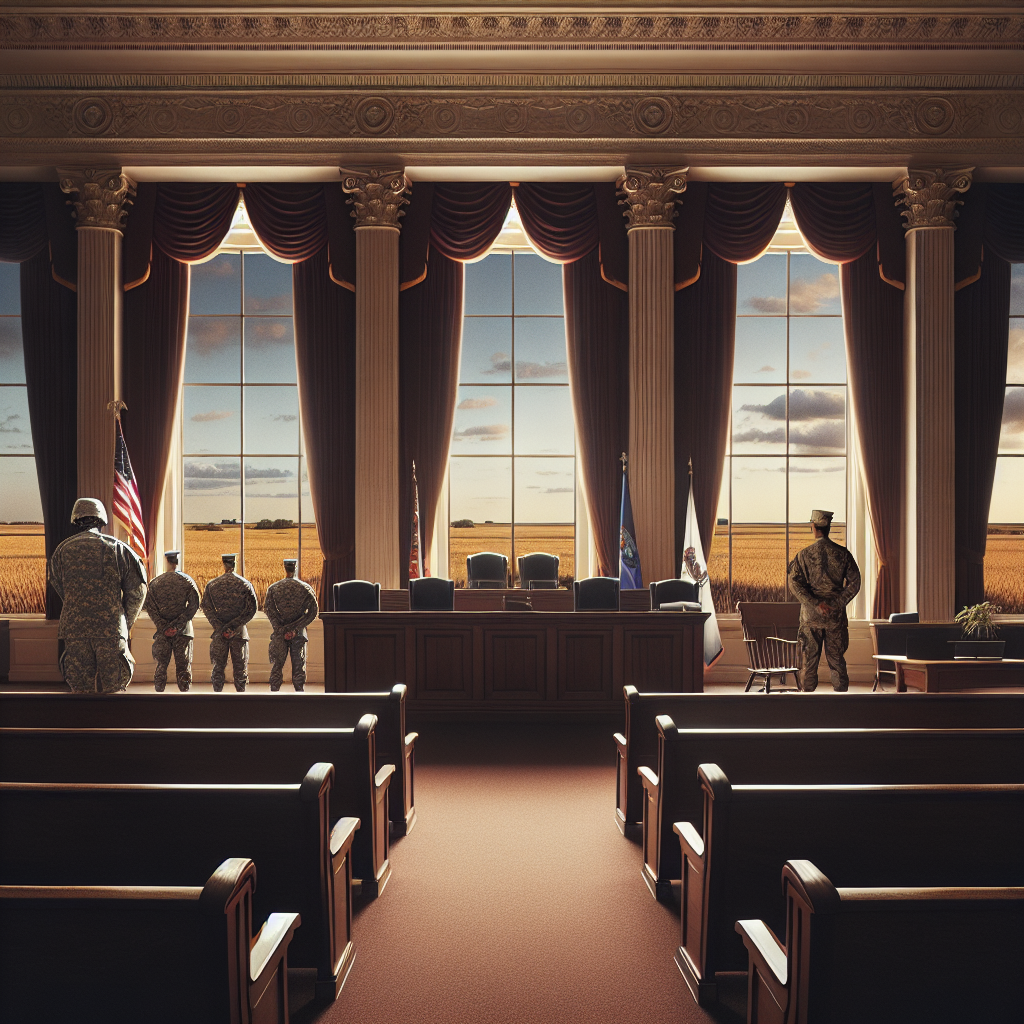
As the Trump administration navigates these legal challenges, the implications for future federal actions remain uncertain. The Supreme Court’s decision serves as a reminder of the checks and balances inherent in the U.S. legal system, particularly concerning the powers of the executive branch in relation to state governance. The outcome of this case could set important precedents for how similar situations are handled in the future, especially regarding the deployment of military resources in civilian contexts. Additionally, the trump immigration judges issue remains a critical area of focus as the administration seeks to assert its policies amidst a challenging legal landscape.
The recent decision by the Supreme Court to reject former President Donald Trump’s request to deploy National Guard troops in Illinois has significant implications for the balance of power between federal and state authorities. This ruling underscores the judicial branch’s role in evaluating the legality of executive actions, especially when they intersect with state governance and public safety. The court’s choice to uphold a lower court’s ruling reflects ongoing tensions regarding the deployment of federal resources in urban areas, particularly in politically charged environments.
Supreme Court’s Ruling Details
On a Tuesday in October, the Supreme Court issued a three-page unsigned order that maintained a temporary restraining order issued by U.S. District Judge April Perry. This order effectively prevents the Trump administration from sending National Guard troops to Illinois while the case is under litigation. The justices pointed out that the government had not demonstrated a clear source of authority that would permit military forces to enforce laws within the state. This decision is particularly notable as it highlights the limitations placed on federal power in relation to state governance.
Dissenting Opinions
The ruling was not unanimous, as three justices dissented. Justice Samuel Alito, joined by Justice Clarence Thomas, articulated a strong disagreement with the majority opinion. Alito argued that the safety of federal officers should not be compromised due to legal restrictions, especially in light of rising threats against them. Justice Neil Gorsuch also expressed support for the government’s request, indicating a division among the justices regarding the interpretation of executive authority in matters of public safety.
Context of the National Guard Deployment
Trump’s intention to deploy National Guard troops to Chicago was part of a broader strategy aimed at addressing crime and supporting federal immigration enforcement. This decision followed similar deployments in other cities governed by Democratic mayors, including Washington, D.C., and Los Angeles. The administration’s rationale for these actions was rooted in a perceived need to enhance public safety and assist federal officials in their duties.

However, the legal challenges faced by the administration reflect a growing scrutiny over the use of military resources for domestic law enforcement. In a separate case, a federal judge in Portland permanently barred the Trump administration from sending National Guard troops to manage protests near an Immigration and Customs Enforcement facility. This ruling, issued by U.S. District Judge Karin Immergut, highlighted the complexities and potential overreach associated with using National Guard troops for domestic issues, even in the wake of civil unrest.
The implications of these judicial decisions extend beyond Illinois, as they set precedents that may influence future executive actions regarding military deployments within the United States. The ongoing litigation in various jurisdictions serves as a crucial test for the limits of presidential authority in mobilizing the National Guard in response to domestic challenges. As the legal landscape evolves, the relationship between federal and state powers will continue to be a focal point of legal and political discussions.
For further context on similar cases involving presidential authority, one can explore how the Supreme Court has previously handled disputes regarding trump immigration enforcement, as well as other instances where the balance of power was tested, such as trump's authority to fire officials and presidential power over commissioners. These cases provide a broader understanding of the judicial system’s role in regulating executive actions.
The recent decision by the Supreme Court regarding the Trump administration’s attempt to deploy National Guard troops in Illinois marks a significant moment in the ongoing debate over federal authority and state governance. This ruling, which upheld a lower court’s decision, has far-reaching implications for the balance of power between the federal government and state authorities. The case illustrates the complexities involved when federal actions intersect with state laws and local governance, particularly in contentious areas such as immigration enforcement and public safety.
Supreme Court Ruling Details
On October 9, U.S. District Judge April Perry issued a temporary restraining order against the deployment of National Guard troops in Illinois. The Supreme Court’s unsigned three-page order confirmed this ruling, stating that the government had not provided adequate legal justification for military involvement in enforcing laws within the state. The Court emphasized that at this preliminary stage, the lack of identified authority was a decisive factor in their decision. The ruling reflects a cautious approach by the justices, who are often reluctant to intervene in matters that could disrupt the established balance between state and federal powers.

Dissenting Opinions
While the majority of the Supreme Court justices sided with the lower court’s ruling, three justices expressed dissent. Justice Samuel Alito, joined by Justice Clarence Thomas, articulated concerns that the federal government should be able to protect its officers from potential threats during law enforcement operations. Alito’s dissent highlighted the urgent need for federal authority in situations where local law enforcement may be insufficient to manage escalating violence or unrest. Justice Neil Gorsuch also indicated support for the government’s request, suggesting a divide among justices regarding the interpretation of federal powers in domestic matters.
Context of the Deployment
The debate surrounding the deployment of National Guard troops has been fueled by President Trump’s administration’s broader strategy to combat crime and enforce immigration laws. Following similar deployments in other major cities, including Washington, D.C., and Los Angeles, Trump’s decision to send troops to Chicago was framed as a necessary measure to restore order in communities facing unrest. However, the legal challenges that followed raised critical questions about the extent of presidential power to mobilize military resources in domestic situations, particularly when such actions may conflict with state regulations.
Implications for Future Actions
This ruling not only affects the immediate situation in Illinois but also sets a precedent for future legal challenges regarding the deployment of National Guard troops across the country. As states grapple with rising tensions and public safety concerns, the role of federal intervention will likely remain a contentious issue. The Supreme Court’s decision reinforces the idea that states retain significant control over their own law enforcement strategies, particularly when it comes to military involvement. As the legal landscape continues to evolve, the implications of this ruling will be felt in ongoing discussions about the balance of power between state and federal governments.
For those interested in the broader implications of federal authority, a recent case involving the supreme court trump citizenship challenge also underscores the complexities of federal-state relations in contemporary governance.