The intersection of public displays and religious expression has long been a contentious issue in American law, particularly as it pertains to nativity scenes during the holiday season. Each year, communities find themselves embroiled in debates over whether such displays should occupy public land, leading to legal challenges that invoke the First Amendment’s establishment clause. This ongoing discourse can be traced back to pivotal Supreme Court rulings that have shaped the legal landscape surrounding religious displays in public spaces.
The Lynch v. Donnelly Case
One of the most significant cases addressing this issue was Lynch v. Donnelly, decided in 1984. This case originated from Pawtucket, Rhode Island, where a nativity scene was included among various secular holiday symbols, such as Santa Claus and reindeer. The display was owned by the city and placed in a prominent location to attract holiday shoppers. However, the presence of the nativity scene sparked legal challenges, with opponents arguing that it constituted an endorsement of Christianity, thereby violating the establishment clause.
The lower courts initially sided with the challengers, asserting that the city was essentially promoting religious beliefs through the nativity display. However, when the case reached the Supreme Court, the justices ruled in a narrow 5-4 decision in favor of the city. Chief Justice Warren Burger, writing for the majority, asserted that the display did not violate the establishment clause because it was part of a broader holiday celebration that included secular symbols.
The Emergence of the “Reindeer Rule”
The term “reindeer rule” has emerged as a colloquial way to describe the Supreme Court’s reasoning in the Lynch case. Essentially, the rule suggests that as long as religious symbols are presented alongside secular ones in a public display, the display is permissible under the First Amendment. This precedent allows for a nuanced interpretation of the establishment clause, where the presence of non-religious elements can mitigate the appearance of government endorsement of a particular faith.
This ruling has been both praised and criticized. Advocates argue that it upholds religious freedom by allowing communities to celebrate their traditions in public spaces. Critics, on the other hand, contend that it dilutes the significance of religious symbols, transforming them into mere decorations devoid of their spiritual meaning. The implications of the “reindeer rule” continue to resonate, influencing subsequent cases and community practices regarding holiday displays.
Subsequent Cases and Ongoing Debates
Following Lynch v. Donnelly, the Supreme Court revisited the issue of religious displays in the 1989 case of County of Allegheny v. ACLU. In this case, the court ruled that a nativity scene displayed alone in a county courthouse violated the establishment clause, contrasting sharply with the earlier Lynch decision. The court’s divided opinions on these cases have led to ongoing debates about the role of religion in public life.
Legal experts continue to analyze the implications of these rulings, particularly as communities grapple with the balance between religious expression and governmental neutrality. The discussions surrounding the “reindeer rule” highlight the complexities involved in interpreting the establishment clause, as courts must navigate the fine line between endorsement and neutrality.

- The impact of the establishment clause on public displays
- How subsequent rulings have shaped community practices
- The role of secular symbols in mitigating religious endorsements
As the holiday season approaches each year, the discussions surrounding nativity scenes and other religious displays in public spaces are reignited. Legal battles often emerge, testing the boundaries set by the Supreme Court. These ongoing conflicts underscore the dynamic nature of First Amendment interpretations in the context of evolving societal values and norms.
In light of recent developments, including cases involving trump birthright citizenship and disputes over immigration judges, the implications of the Supreme Court’s rulings on nativity displays remain highly relevant in contemporary legal discussions.
The debates surrounding the display of nativity scenes on public property highlight the complex intersection of religious expression and governmental endorsement. These conflicts are not merely seasonal; they are rooted in legal interpretations of the First Amendment’s establishment clause. This clause prohibits the government from favoring one religion over another, leading to contentious discussions during the holiday season when religious and secular symbols often coexist in public spaces.
Legal Precedents and the Reindeer Rule
The Supreme Court’s involvement in nativity scene disputes began with the landmark case of Lynch v. Donnelly in 1984. In this case, the Court ruled on a nativity scene displayed in Pawtucket, Rhode Island, situated alongside secular symbols like Santa’s sleigh and reindeer. The legal challenge revolved around whether the inclusion of the nativity scene constituted an endorsement of Christianity by the government. The Court’s decision, delivered by Chief Justice Warren Burger, ultimately favored the city, allowing the nativity display to remain on public property.
In Lynch, the majority opinion emphasized the context in which the nativity scene was presented. The justices argued that the display was part of a broader holiday celebration that included various secular elements, thereby diluting any potential religious endorsement. This reasoning has since been referred to as the reindeer rule, suggesting that the presence of secular symbols can legitimize religious displays in public spaces.
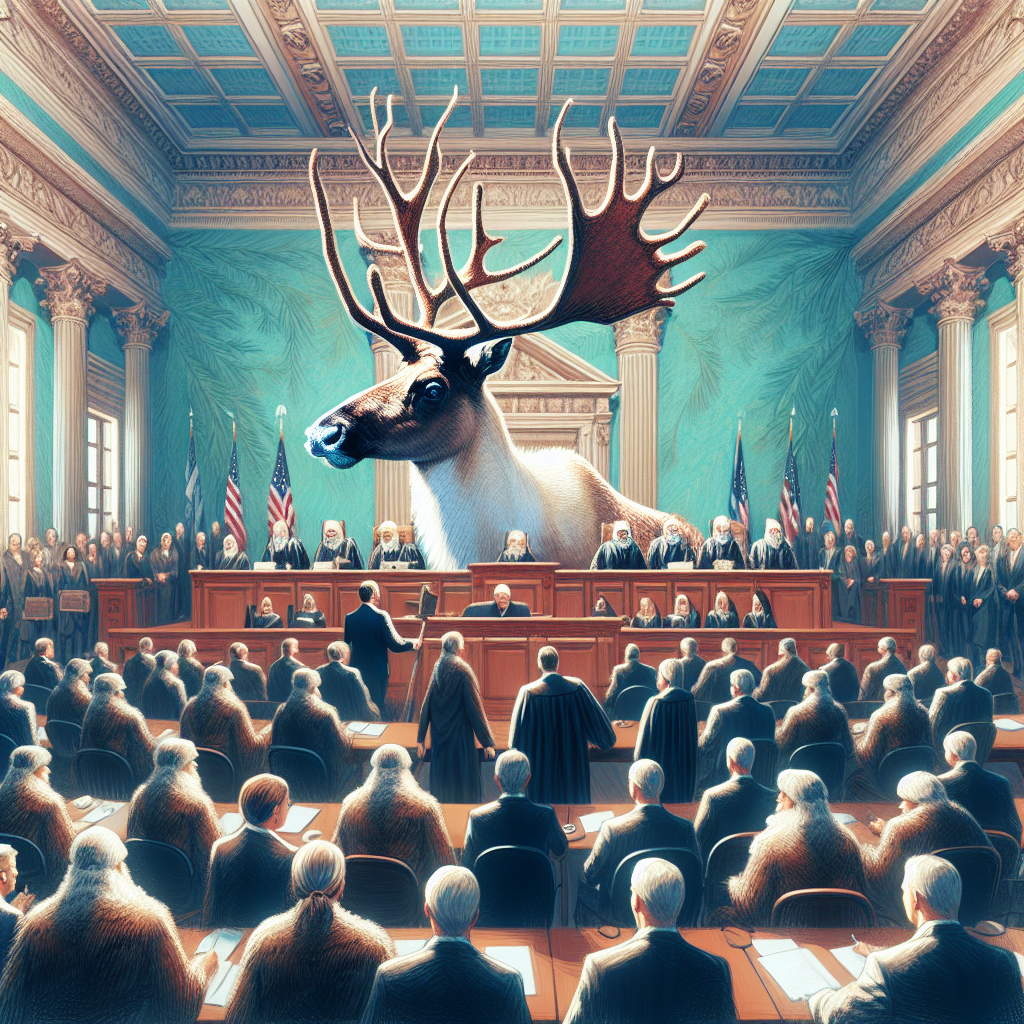
However, the Court’s decision did not come without dissent. Some justices expressed concern that permitting the nativity scene could undermine the significance of Christmas as a religious holiday. They feared that the blending of secular and religious symbols might trivialize the core message of the holiday and lead to increased tensions around similar displays in the future.
Subsequent Cases and Ongoing Debates
Following Lynch, the Supreme Court revisited the issue of nativity scenes in another case, County of Allegheny v. ACLU in 1989. This time, the Court ruled against a nativity scene displayed in a county courthouse, stating that it violated the establishment clause. The justices distinguished between the two cases, emphasizing that the context and presentation significantly influenced their decisions. The asylum case migration has also drawn parallels to these discussions, as it raises questions about the government’s role in endorsing specific narratives or beliefs.
The ongoing debates over nativity displays reveal the challenges of balancing religious freedom with the principle of neutrality in government. Legal experts continue to analyze the implications of these rulings, particularly how the reindeer rule affects future cases involving religious symbols in public spaces. As communities grapple with the presence of religious imagery during the holiday season, the potential for legal challenges remains ever-present.
In conclusion, the Supreme Court’s rulings on nativity scenes illustrate the complexities of the establishment clause and the evolving interpretation of religious expression in public life. The reindeer rule serves as a critical reference point in understanding how secular symbols can influence the legality of religious displays. For instance, the recent ruling regarding an HIV disability claim further emphasizes the need for careful consideration of context in legal judgments involving religious and secular elements.
The Supreme Court’s rulings on nativity scenes have had a lasting impact on the interpretation of the First Amendment’s establishment clause. These decisions reflect a complex balance between religious expression and governmental endorsement of religion. As communities continue to navigate these issues each holiday season, the implications of the Court’s rulings remain relevant, shaping the discourse around religious displays in public spaces.
The Lynch v. Donnelly Decision
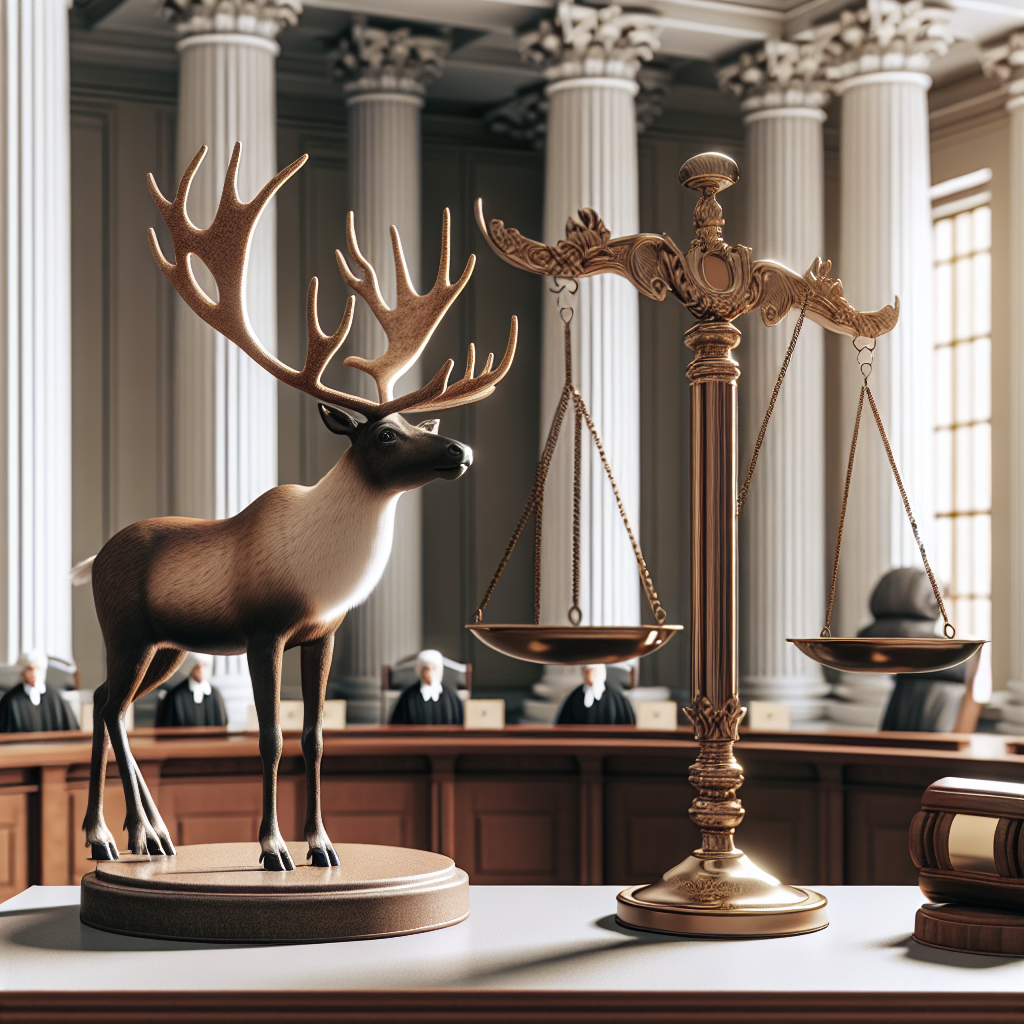
In 1984, the Supreme Court tackled the issue of nativity scenes in the case of Lynch v. Donnelly. This landmark decision examined a crèche displayed in Pawtucket, Rhode Island, which was positioned among various secular symbols of Christmas, including Santa Claus and his sleigh. The challenge to the display arose from concerns that it represented a governmental endorsement of Christianity, thereby breaching the establishment clause. Ultimately, the Court ruled in a narrow 5-4 decision that the inclusion of the nativity scene did not violate the clause, suggesting that the overall context of the display mitigated any concerns about religious endorsement.
Chief Justice Warren Burger, writing for the majority, emphasized that the display was part of a broader holiday celebration and did not exclusively promote a religious message. This decision set a precedent that would influence future cases regarding religious displays on public property, establishing the so-called “reindeer rule.” This rule suggests that if a religious symbol is presented alongside secular symbols, it may be permissible under the establishment clause. However, the dissenting opinions raised concerns about the potential dilution of religious significance in public displays, arguing that such rulings could lead to a slippery slope in the interpretation of religious freedoms.
The Case of County of Allegheny v. ACLU
A decade later, the Supreme Court revisited the issue in the case of County of Allegheny v. ACLU in 1989. This case involved a nativity scene displayed in a county courthouse, which was juxtaposed with a menorah and a Christmas tree in another location. The Court’s decision in this instance was more divided, with the justices ruling that the nativity scene’s placement in a government building constituted an unconstitutional endorsement of religion. The contrasting outcomes of these two cases highlight the ongoing debate surrounding the establishment clause and the extent to which religious symbols can coexist with secular representations in public spaces.
The differing rulings have led to a broader conversation about the nature of religious freedom in the United States, particularly during the holiday season. Legal experts continue to analyze the implications of these decisions, considering how they affect community practices and the expectations surrounding religious expression. As local governments navigate these complexities, the interpretation of the “reindeer rule” remains a pivotal point of reference, influencing how nativity scenes and other religious displays are approached in public forums.
As the holiday season approaches each year, communities often find themselves embroiled in disputes regarding the presence of religious symbols in public displays. The legacy of the Supreme Court’s rulings continues to shape these discussions, with many looking to the immigration judges dispute as a recent example of how legal interpretations can evolve. The ongoing debate underscores the delicate balance between honoring religious traditions and upholding the principles of secular governance in a diverse society.