The term “zombie precedent” is a fascinating concept in legal discourse, particularly in discussions surrounding judicial decisions that have outlived their original context or support. This intriguing phrase was popularized by Justice Antonin Scalia, who likened certain Supreme Court rulings to a ghoul that refuses to stay buried. Specifically, Scalia referred to the infamous Lemon test, which has haunted the court’s Establishment Clause jurisprudence for decades. The notion of a zombie precedent encapsulates the idea that some legal precedents can linger, re-emerging in legal arguments despite being largely discredited or abandoned.
The Origins of Zombie Precedent
The term “zombie precedent” emerged from Scalia’s 1993 opinion in Lamb’s Chapel v. Center Moriches Union Free School District, where he expressed frustration over the enduring presence of the Lemon test. Originally established in the 1971 case of Lemon v. Kurtzman, this test created a three-part framework for determining whether a statute violated the First Amendment’s establishment clause. Despite being criticized for its complexity and impracticality, the Lemon test continued to influence court decisions, much to Scalia’s dismay. He lamented that, even when it seemed buried, the Lemon test would resurface, causing confusion and inconsistency in the court’s handling of religious freedom cases.
The Lifecycle of Precedents
Understanding how precedents evolve is crucial to grasping the concept of zombie precedents. Judicial decisions can follow several paths after their initial ruling: they may be overturned, abandoned, or allowed to linger in a state of limbo. The fate of a precedent often hinges on whether the Supreme Court revisits it. For instance, the Lemon test had moments where it appeared to be on the brink of extinction, yet it was periodically resurrected in subsequent rulings. This cycle of revival and rejection leads to confusion among lower courts and legal practitioners alike, making the concept of zombie precedents particularly relevant in contemporary discussions about judicial consistency.
The Implications of Zombie Precedent
The existence of zombie precedents raises significant questions about the stability and reliability of legal interpretations. When a precedent like the Lemon test continues to influence decisions despite its waning support, it can create uncertainty in the law. This uncertainty can lead to varied interpretations by different courts, as judges may disagree on the relevance or applicability of such precedents. Furthermore, the persistence of zombie precedents can hinder the court’s ability to adapt to changing societal norms and values, as seen with the Lemon test’s eventual repudiation in 2022.
Zombie Precedents in Context
In addition to the Lemon test, other judicial decisions have similarly taken on a zombie-like quality, lingering in the shadows of legal discourse. The dynamics surrounding these precedents can significantly impact ongoing legal debates, especially in areas such as constitutional law and civil rights. For example, the concept of a declining judicial agreement illustrates how the Supreme Court’s interpretations can fluctuate over time, further complicating the landscape of legal precedents. As courts grapple with these lingering decisions, the need for clarity and consistency becomes increasingly paramount.
Conclusion on Zombie Precedents
In summary, the phenomenon of zombie precedents highlights the complexities inherent in the judicial system. As legal scholars and practitioners continue to analyze the implications of such precedents, it is essential to recognize the delicate balance between respecting established rulings and adapting to the evolving legal landscape. The discussions surrounding these concepts will undoubtedly shape the future of judicial decision-making.
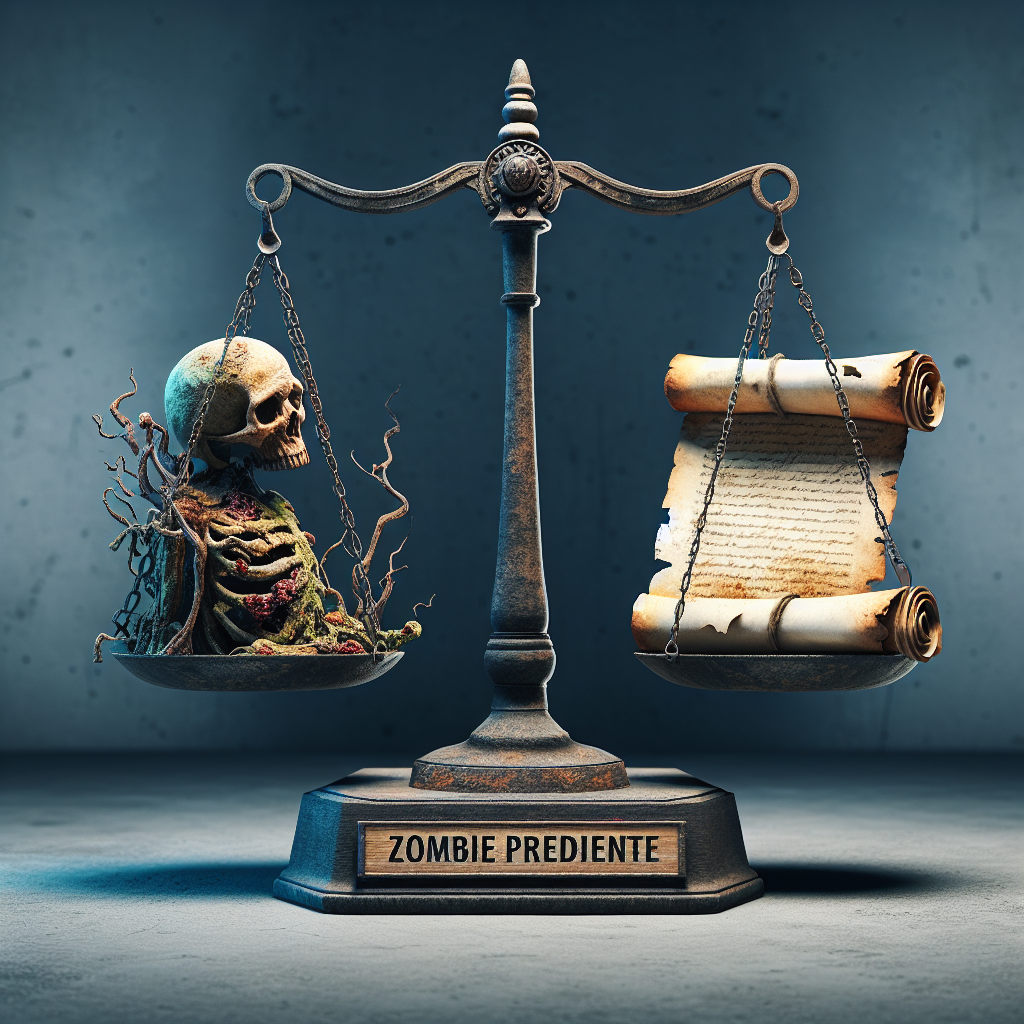
| Precedent Type | Description |
|---|---|
| Overturned | Formally invalidated by a later ruling. |
| Abandoned | Left behind without formal rejection. |
| Zombie | Resurfaces despite being discredited. |
The term “zombie precedent” has gained traction in legal discussions, particularly in the context of Supreme Court rulings that seem to persist despite a lack of current relevance or support. This concept was notably articulated by Justice Antonin Scalia, who used the metaphor to describe legal precedents that refuse to be fully laid to rest. Such precedents often resurface in judicial reasoning, influencing decisions even when they have been criticized or deemed outdated. Understanding the implications of zombie precedents is crucial for grasping how legal doctrines evolve over time and how courts navigate the complexities of precedent.
The Nature of Zombie Precedents
Zombie precedents can be described as legal rulings that, while ostensibly diminished in authority, continue to exert influence in court decisions. Justice Scalia’s reference to the “Lemon test” in the case of concurrence and dissent illustrates this phenomenon. The Lemon test, established in the 1971 case of Lemon v. Kurtzman, was intended to provide a framework for evaluating potential violations of the First Amendment’s Establishment Clause. Despite its widespread criticism for being cumbersome, it remained a fixture in Establishment Clause jurisprudence, much to Scalia’s dismay.
The existence of zombie precedents raises questions about the stability and predictability of the law. When a precedent is labeled as a zombie, it indicates that while it may not be actively followed, it still holds a place in legal discourse and can be invoked by justices when convenient. This dynamic creates uncertainty, as lower courts may find themselves grappling with the implications of a precedent that is neither fully endorsed nor entirely discarded. The ultimate fate of such precedents often hinges on whether the Supreme Court chooses to revisit and clarify its stance on them.
The Lifecycle of Legal Precedents
Legal precedents can follow several paths over time, depending on shifts in judicial philosophy and societal values. A zombie precedent may linger in the legal landscape, as seen with the Lemon test, which was periodically referenced in decisions even after significant criticism. In some cases, precedents may be outright overturned, leading to a clear shift in the law, while others may be abandoned without formal repudiation. For instance, the court’s recent decision to reject the Lemon test entirely in 2022 marked a significant turning point in Establishment Clause jurisprudence.
Another noteworthy aspect of zombie precedents is their potential to influence future cases. Even when a precedent has been criticized or is considered outdated, courts may still reference it in making determinations. This phenomenon can be particularly pronounced in cases involving private party suits, where the nuances of past decisions can affect the outcomes of new cases. The lingering presence of such precedents serves as a reminder of the intricate relationship between historical rulings and contemporary legal challenges.
Ultimately, the concept of zombie precedents illustrates the complexities of legal interpretation and the ongoing dialogue between past and present judicial philosophies. As courts continue to grapple with these enduring rulings, the landscape of legal precedent will undoubtedly evolve. Legal scholars and practitioners must remain vigilant in monitoring these developments, particularly as they relate to critical issues such as the role of IQ tests and execution in the context of evolving standards of decency.
The concept of “zombie precedent” has garnered attention in legal discussions, particularly concerning the longevity and relevance of certain Supreme Court decisions. This term, coined by Justice Antonin Scalia, illustrates the phenomenon where a legal ruling, despite being widely criticized or seemingly irrelevant, continues to resurface and influence judicial outcomes. The implications of this concept extend beyond mere legal jargon; they touch upon the very foundations of judicial interpretation and the stability of legal precedents in the United States.
Understanding Zombie Precedent
Zombie precedent refers to past judicial rulings that, while not actively supported or cited, remain part of the legal landscape and can be invoked in court decisions. The term reflects a state of limbo where a precedent is neither fully acknowledged nor completely dismissed. One of the most notable examples of this phenomenon was the Lemon test, established in the 1971 case of Lemon v. Kurtzman. Over the years, this test became a source of contention among justices, with some arguing that it complicated the interpretation of the First Amendment’s establishment clause.
Justice Scalia’s critique of the Lemon test was emblematic of the frustrations surrounding zombie precedents. He likened it to a ghoul that rises from the grave to haunt legal discourse. This metaphor underscores how certain rulings can linger in the background, influencing decisions even when they are not fully embraced by the court. This situation raises questions about the stability of legal doctrines and the potential for judicial inconsistency.

Implications of Zombie Precedent
The existence of zombie precedents can have profound implications for the judicial system. For one, it can create uncertainty among lower courts and litigants. When a precedent is not definitively overturned but continues to be referenced, it can lead to inconsistent applications of the law. This inconsistency can undermine public confidence in the judicial process and raise concerns about the rule of law.
Furthermore, the phenomenon of zombie precedents highlights the challenges courts face in addressing outdated or unpopular rulings. As seen with the Lemon test, a precedent may lose judicial support but still find its way into opinions, complicating legal interpretations and resulting in a patchwork of jurisprudence. The eventual repudiation of the Lemon test in 2022 marked a significant shift, demonstrating that even long-standing precedents can be laid to rest, albeit after a prolonged struggle.
As legal scholars and practitioners navigate the complexities of precedent, they must remain vigilant about the potential for zombie precedents to influence current and future cases. The need for clarity in legal standards is paramount, and courts must strive to either reaffirm, overturn, or explicitly abandon precedents that no longer serve the interests of justice. This ongoing dialogue reflects the dynamic nature of the law and the importance of maintaining a coherent legal framework.
For those interested in the broader implications of Supreme Court rulings, examining important supreme court cases can provide insights into how precedents evolve and the factors that contribute to their longevity or demise.