The recent decision by the Supreme Court to deny Danny Howell’s petition for review has raised significant concerns regarding access to justice for incarcerated individuals. In a move that goes beyond simply dismissing Howell’s request, the Court has implemented a policy that restricts future noncriminal petitions filed in forma pauperis. This decision, which has been described as a “Martin-izing” of petitioners, has profound implications for those unable to afford the substantial costs associated with filing in the Supreme Court.
Understanding the Implications of the Court’s Decision
Filing a petition in the Supreme Court is not only a complex legal process but also an expensive one. The requirement for a $300 filing fee, coupled with the costs of producing bound copies of the petition, can escalate into thousands of dollars. This financial burden disproportionately affects those with limited means, effectively shutting the door on their ability to seek judicial review. As noted by law professor William Aceves, the exorbitant costs associated with processing and filing petitions do not promote a fair and accessible justice system.
The option to file in forma pauperis is intended to alleviate some of these financial pressures; however, the process is fraught with obstacles. Petitioners who have been denied in forma pauperis status in lower courts must submit a detailed financial affidavit, which can be invasive and complicated. The criteria for determining indigence are often unclear, leading to inconsistent judgments about an applicant’s financial status. The recent ruling, which effectively bars Howell from filing future petitions without the means to pay, raises critical questions about the fairness of this system and its impact on individuals who are already vulnerable.
The Dissenting Voice of Justice Ketanji Brown Jackson
Justice Ketanji Brown Jackson’s dissent from the Court’s two-sentence order highlights the potential injustices stemming from such procedural rulings. She emphasizes that the practice of barring individuals from filing in forma pauperis exacerbates existing inequalities within the legal system. By limiting access to the courts for those who cannot afford the associated costs, the Supreme Court risks further entrenching barriers to justice, particularly for marginalized populations. The implications of this decision extend beyond Howell’s case, signaling a troubling trend in how the Court addresses issues of access and equity.
As the legal landscape evolves, it is imperative to scrutinize the practices that govern how individuals can seek relief in the highest court. The Supreme Court’s recent actions, including its approach to prison gates closure, reflect a broader narrative about the accessibility of justice for all citizens. The ongoing dialogue surrounding these issues is critical to ensuring that the rights of individuals, particularly those in vulnerable positions, are upheld.
Moreover, the implications of this decision may resonate beyond the realm of criminal justice. The Court’s handling of cases such as Howell’s could influence future rulings, including those related to Second Amendment rights, as seen in the recent gun cases review. As these issues unfold, the intersection of civil rights and judicial access remains a vital area of concern for advocates and legal scholars alike.

The recent actions of the Supreme Court have raised significant concerns regarding access to justice, particularly for those unable to afford the associated costs of litigation. In a notable decision, the Court dismissed Danny Howell’s petition for review and barred him from filing future noncriminal petitions in forma pauperis. This ruling highlights ongoing issues within the judicial system, especially for incarcerated individuals who may already face numerous barriers to legal representation.
Implications of the Court’s Ruling
The Supreme Court’s decision to deny Howell’s request for in forma pauperis status not only denied him the opportunity to pursue his case but also set a concerning precedent. Justice Ketanji Brown Jackson’s dissent emphasized that this ruling could severely restrict access to the judicial system for those who are financially disadvantaged. The implications of such a decision extend beyond Howell’s case, as it affects countless individuals who rely on the ability to file petitions without the burden of exorbitant fees. The transgender athlete bans case, for example, underscores the importance of inclusive access to the courts for all individuals.
Financial Barriers to Justice
Filing a petition with the Supreme Court can be prohibitively expensive, with fees reaching as high as $300, not to mention the costs associated with producing multiple bound copies of documents. Many potential petitioners, especially those from low-income backgrounds, may find these financial requirements insurmountable. As noted by legal experts, the system is not designed to facilitate an open and accessible justice system. The trump fed governor case illustrates how financial constraints can prevent individuals from pursuing justice, as the costs involved can deter even the most determined litigants.
Concerns Over Transparency
The process of obtaining in forma pauperis status is fraught with complications. Petitioners must often submit detailed financial affidavits, which can be intrusive and stressful. Furthermore, the criteria for determining indigence are not clearly defined, leaving many applicants uncertain about their chances of approval. This lack of transparency can exacerbate feelings of disenfranchisement among those seeking legal recourse. As Justice Jackson pointed out, the Court’s procedural practices, such as the Martin-izing of petitioners, may further alienate those who are already marginalized within the justice system.
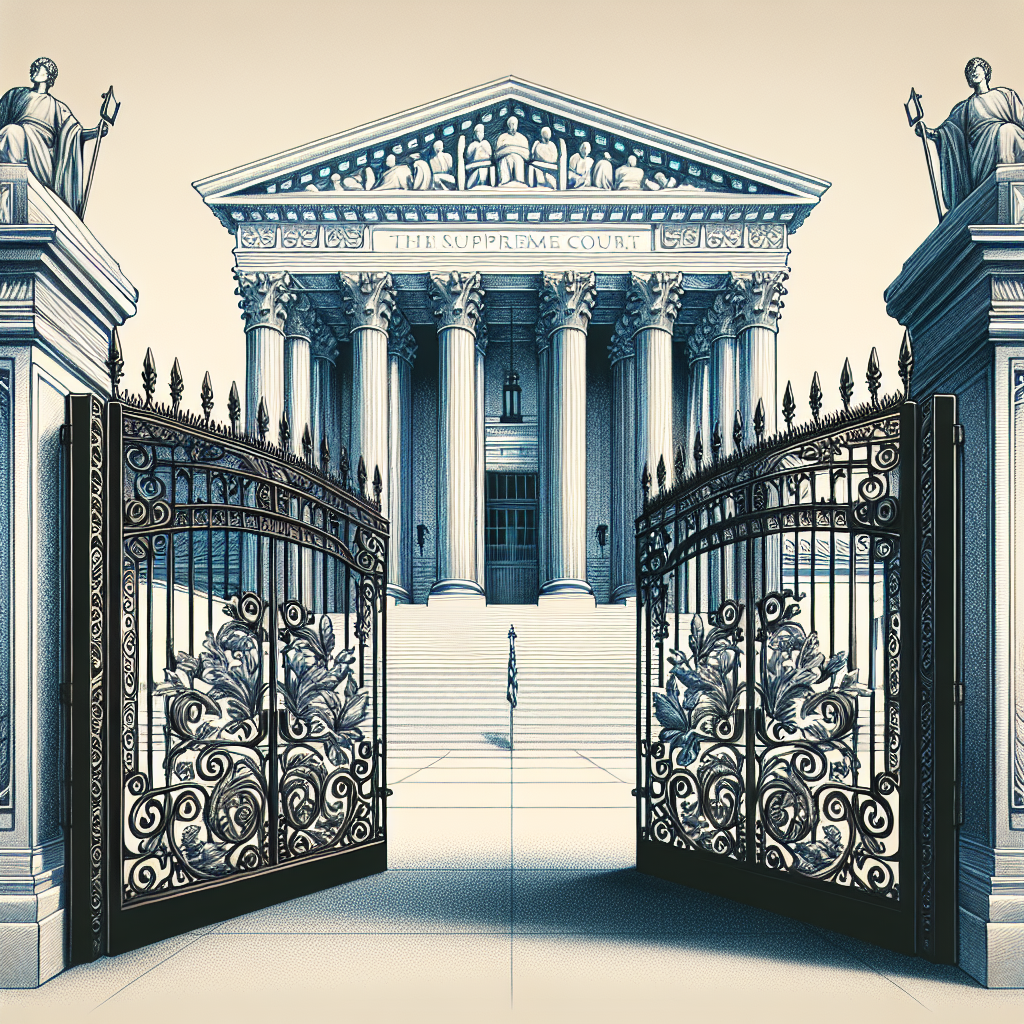
Addressing Access to Justice
Ensuring that all individuals have fair access to the legal system is paramount for a just society. The Supreme Court’s recent decisions call into question the effectiveness of current policies designed to aid those in financial distress. Legal scholars and advocates alike have voiced concerns that the Court’s actions may further entrench systemic inequalities. As the conversation around access to justice continues, it is crucial that reforms are considered to ensure that everyone, regardless of financial status, can seek redress in the courts.
The recent decision by the Supreme Court to further restrict access to justice for those unable to afford legal fees has raised significant concerns regarding the future of civil rights and the ability of marginalized individuals to seek redress. This development is particularly alarming given the historical context of access to the courts and the critical role that the judiciary plays in upholding civil liberties. The implications of the court’s ruling extend far beyond the individual case, potentially setting a precedent that could affect countless others who find themselves in similar circumstances.
Impact of the Supreme Court’s Ruling
The Supreme Court’s decision to deny Danny Howell’s petition and subsequently bar him from filing any future noncriminal petitions in forma pauperis represents a troubling trend in the judicial system. This practice, often referred to as “Martin-izing,” raises serious access-to-justice concerns, particularly for incarcerated individuals. Justice Ketanji Brown Jackson’s dissent highlights the harsh realities faced by those who are financially disadvantaged, emphasizing the need for a more inclusive approach to legal proceedings.
Filing a petition with the Supreme Court is an expensive endeavor, requiring a $300 filing fee along with the cost of producing multiple bound copies. For many, these expenses can escalate into thousands of dollars, creating a significant barrier to entry. As law professor William Aceves pointed out, the requirement for litigants to bear such high costs does not promote an open and accessible justice system. Instead, it effectively shuts out those who cannot afford to navigate the complexities of the legal landscape.

Moreover, the process for obtaining in forma pauperis status is not only opaque but also burdensome. Petitioners often find themselves facing intrusive financial disclosures without clear guidance on how their indigence will be assessed. This lack of transparency can lead to arbitrary decisions, further complicating the ability of those in need to access the courts. The ramifications of this ruling are profound, potentially disenfranchising individuals who seek justice but lack the means to pursue it.
Broader Implications for Civil Rights
The implications of restricting access to the court system extend beyond individual cases; they pose a threat to the foundational principles of civil rights. The ability to challenge injustices through the courts is a cornerstone of democracy, and any barriers that impede this process disproportionately affect marginalized communities. As the Supreme Court continues to adopt a more restrictive stance, there is a growing concern that the rights of individuals, particularly those who are economically disadvantaged, will be eroded.
The ramifications of this ruling could lead to a chilling effect on the willingness of individuals to pursue legal action, knowing that the financial burden may outweigh the potential benefits. The decision may deter not only individuals like Howell but also others who have legitimate grievances but fear the financial repercussions of engaging with the judicial system. This reality reinforces the need for systemic reforms that prioritize access to justice and ensure that all individuals can effectively advocate for their rights.
In light of these developments, advocates for civil rights and legal reform must remain vigilant. The challenges posed by the Supreme Court’s recent actions underscore the urgency of addressing the barriers to justice that persist within the legal system. For those interested in the intersection of legal access and civil rights, the ongoing discourse surrounding these issues is critical. As highlighted in the digital privacy case, the stakes are high, and the implications of judicial rulings will continue to shape the landscape of civil liberties in the United States.