On Thursday, the Supreme Court issued a significant ruling allowing Texas to proceed with its new congressional redistricting map, which has faced allegations of racial discrimination. This decision comes in light of a previous ruling from a three-judge district court in El Paso, which found the map unconstitutional due to its alleged manipulation of voter demographics based on race. The court’s brief, unsigned opinion has granted Texas a reprieve, enabling the state to utilize the contested map in the upcoming 2026 elections.
Background of the Redistricting Controversy
The controversy surrounding Texas’s redistricting map stems from its implications for electoral representation and fairness. The lower court’s ruling indicated that the map favored Republican candidates disproportionately by diluting the voting power of minority communities. Justice Samuel Alito had previously stayed the district court’s ruling to allow the Supreme Court time to deliberate on Texas’s request. The latest decision not only pauses the lower court’s ruling but also suggests that Texas may have a strong case against the allegations of racial discrimination.
Supreme Court’s Rationale
In its order, the Supreme Court highlighted that Texas is likely to succeed in demonstrating that the district court made significant errors in its judgment. The majority opinion pointed out that the lower court improperly intervened in an ongoing primary campaign, which could lead to confusion and disrupt the balance between federal and state election processes. The ruling has sparked a debate about the role of race in redistricting and the judicial oversight of electoral maps.
Dissenting Opinions and Implications
Justice Elena Kagan, joined by Justices Sonia Sotomayor and Ketanji Brown Jackson, expressed strong dissent against the ruling. Kagan criticized the majority’s decision, arguing that it undermines the efforts of the district court, which aimed to uphold constitutional standards in redistricting. The dissenting justices fear that allowing Texas to use a map deemed racially discriminatory could set a concerning precedent for future electoral processes.
Impact on Future Elections
Texas currently holds 38 seats in the U.S. House of Representatives, with Republicans controlling 22 of those seats. The outcome of this ruling may significantly influence the political landscape as the nation approaches the midterm elections. Historically, the president’s party tends to lose seats during midterms, and with the stakes high, the Republican Party is eager to maintain its foothold in the House. The Supreme Court’s ruling allows Texas to implement its redistricting plan, potentially affecting the electoral balance in crucial districts.
- The Supreme Court’s decision to allow Texas to use its redistricting map raises questions about the integrity of the electoral process.
- Concerns about racial discrimination in districting continue to be a contentious issue in American politics.
- The implications of this ruling may extend beyond Texas, influencing redistricting practices nationwide.
As the legal battles surrounding redistricting unfold, the implications for voter representation and fairness in elections remain at the forefront of public discourse. This ruling exemplifies the ongoing struggle to balance electoral integrity with political interests, a challenge that will likely persist in future elections.
For more details, you can explore the texas redistricting map and its implications. Additionally, the role of federal courts in asylum cases has also been a topic of interest, as highlighted in discussions about federal courts asylum.
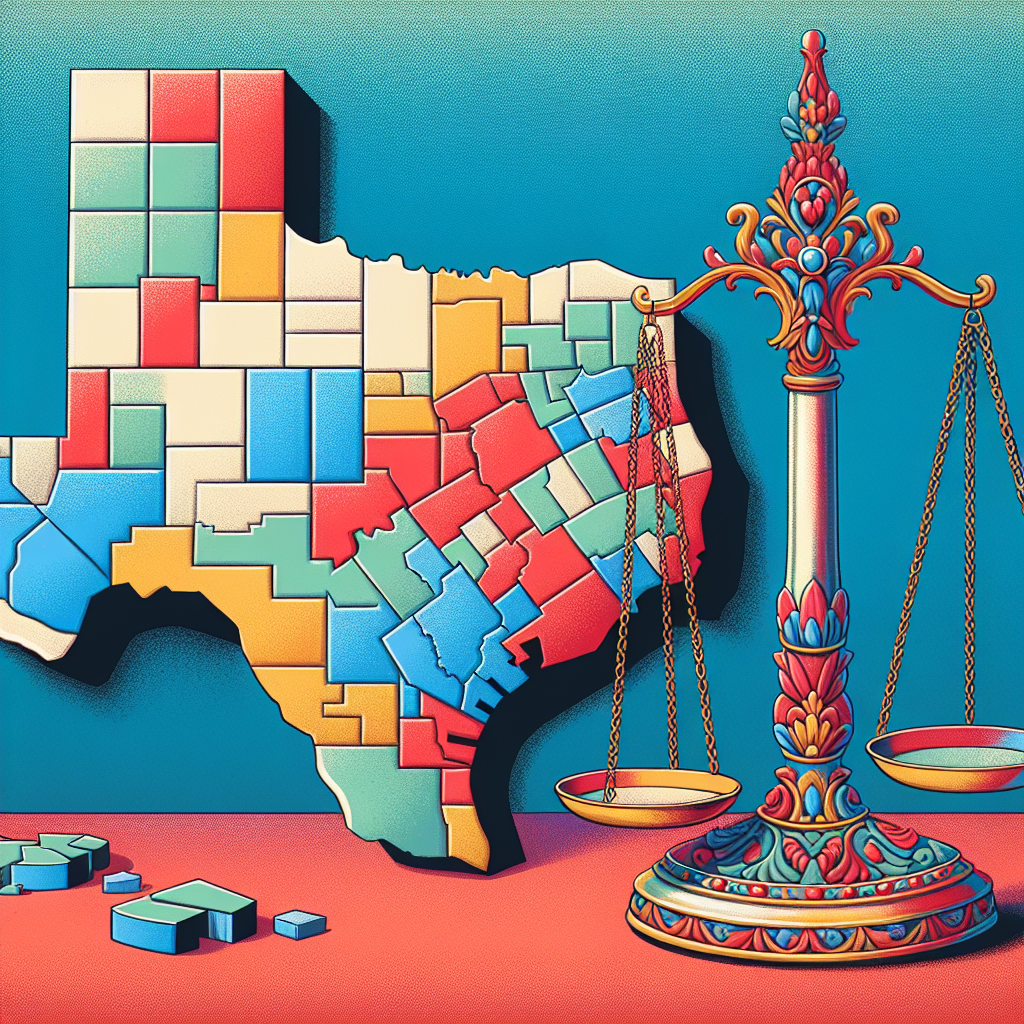
The recent decision by the Supreme Court to allow Texas to utilize its controversial redistricting map has reignited discussions surrounding race, representation, and electoral strategy. This ruling comes in the wake of a lower court’s determination that the map in question was racially discriminatory, a finding that the Supreme Court has now put on hold. The implications of this decision extend beyond Texas, touching on broader issues of electoral integrity and the political landscape leading up to the 2026 elections.
Background of the Redistricting Controversy
The redistricting map challenged in court was designed to favor Republican candidates, a move that has been met with significant scrutiny. The three-judge district court in El Paso had previously ruled that the map unconstitutionally sorted voters based on race, which raised concerns about the fairness of electoral representation. In a brief and unsigned opinion, the Supreme Court indicated that Texas was likely to succeed in its argument that the lower court made serious errors in its judgment. This decision effectively pauses the district court’s ruling, allowing Texas to proceed with the map for the upcoming elections.
Justice Elena Kagan, along with Justices Sonia Sotomayor and Ketanji Brown Jackson, dissented from the majority opinion, emphasizing the importance of the district court’s findings. Kagan’s dissent highlighted the potential consequences of allowing Texas to run elections with a map that has been deemed racially discriminatory. The dissenting justices argued that this ruling undermines the integrity of the judicial process and disrespects the efforts of the lower court, which had meticulously evaluated the implications of the redistricting.
Political Ramifications for Texas and Beyond
Currently, Texas holds 38 seats in the U.S. House of Representatives, with 22 of those controlled by Republicans. The decision to uphold the redistricting map could significantly influence the balance of power in Congress, particularly in light of the narrow majority that Republicans hold overall. Historically, the party of the sitting president tends to lose seats during midterm elections, and this year, with President Donald Trump urging Texas to maintain its Republican majority, the stakes are particularly high.
The Supreme Court’s ruling has raised questions about the role of race in political districting and the legal framework governing such decisions. Critics argue that the use of racially discriminatory maps not only affects electoral outcomes but also undermines the foundational principles of democracy. As the political landscape evolves, the implications of this ruling will likely be felt not just in Texas but across the nation, as other states may look to similar strategies in their own redistricting efforts. The ongoing debate over the fairness and legality of these maps will continue to shape public discourse in the lead-up to the elections.

As the situation unfolds, the challengers to redistricting will likely continue to advocate for equitable representation, emphasizing the need for legislative reform. Additionally, the Supreme Court’s recent opinions on various legal matters, including supreme court opinions regarding electoral processes, will play a crucial role in determining the future of such cases. Furthermore, the Court’s willingness to hear a major election law case could set important precedents that affect how states approach redistricting in the years to come.
The recent ruling by the Supreme Court has significant implications for the political landscape in Texas and beyond. By allowing the state to use a congressional redistricting map that has been challenged on the grounds of racial discrimination, the Court has set a precedent that may influence future electoral strategies. This decision emerges from a complex legal battle regarding the intersection of race and politics, raising questions about the fairness and integrity of the electoral process in the United States.
Supreme Court’s Rationale Behind the Decision
In a brief, unsigned opinion, the Supreme Court majority indicated that Texas is likely to prevail in its argument against the lower court’s ruling, which had deemed the map unconstitutional. The Court pointed out that the district court had made serious errors, particularly in its intervention during an active primary campaign, which led to confusion among voters. By pausing the lower court’s ruling, the Supreme Court effectively allows Texas to proceed with its electoral map as it prepares for the upcoming elections, potentially reshaping the balance of power in the U.S. House of Representatives.
The majority’s decision highlights the delicate balance between federal oversight and state autonomy in electoral matters. The Court’s opinion suggests that the lower court’s actions disrupted this balance, which is crucial for maintaining order during election cycles. The implications of this ruling extend beyond Texas, as it may influence how other states approach their own redistricting efforts, particularly in contexts where race is a significant factor in voter demographics.
Dissenting Opinions and Concerns
Justice Elena Kagan, joined by Justices Sonia Sotomayor and Ketanji Brown Jackson, dissented from the majority opinion, emphasizing the importance of adhering to established legal principles regarding race in districting. Kagan’s dissent articulated concerns that the ruling undermines the efforts of the district court, which had diligently sought to address the complexities of the case. The dissenters argue that allowing Texas to use a map found to violate legal standards sets a troubling precedent that could erode the protections against racial discrimination in electoral processes.

The dissent raises significant questions about the integrity of the electoral map and the potential consequences for minority voters in Texas. As the state moves forward with its redistricting plan, the implications for representation and voter rights remain at the forefront of discussions among legal experts and civil rights advocates. The ruling may embolden other states to pursue similar redistricting strategies, potentially leading to widespread challenges across the nation.
Political Implications of the Ruling
The decision to allow Texas to use the contested redistricting map has profound implications for the upcoming elections. Currently, Texas holds 38 seats in the U.S. House of Representatives, with a Republican majority. The political landscape is particularly sensitive as the nation approaches the 2026 elections, where control of the House is at stake. Historically, the party of the sitting president tends to lose seats in midterm elections, making the stakes even higher for Republicans in Texas.
As political strategists analyze the potential impact of this ruling, the focus will likely be on how the redistricting map could affect voter turnout and representation. The ability to leverage a map that has been criticized for its racial implications may provide Republicans with an advantage, potentially skewing election outcomes in their favor. This situation underscores the ongoing struggle over electoral fairness and the need for vigilance in monitoring changes to districting practices.
As the political landscape continues to evolve, the ramifications of this ruling will be closely watched. Stakeholders, including voters, advocacy groups, and political analysts, will need to navigate the complexities introduced by the Supreme Court’s decision and its potential to reshape the electoral map in Texas and beyond. For further insights into this ongoing legal battle, you can explore texas appeals redistricting efforts and their implications for future elections.