In a continuing legal battle, the Trump administration has formally requested the Supreme Court’s intervention regarding the authority and operational procedures of immigration judges. This request marks the 32nd time since late January that the administration has sought emergency relief from the highest court in the United States. The core of the dispute revolves around a policy that restricts immigration judges from participating in official speaking engagements without prior approval, a matter that has significant implications for the judges’ First Amendment rights.
Background of the Dispute
The controversy began when the National Association of Immigration Judges (NAIJ) challenged the aforementioned policy in a federal court located in Alexandria, Virginia. The policy mandates that immigration judges must obtain permission before delivering any official speeches, which could include participation in immigration conferences or pro bono training sessions. While judges are allowed to speak in their personal capacity on unrelated topics, the NAIJ argues that this restriction infringes upon their freedom of speech. They contend that the policy prevents judges from expressing their views on immigration law, agency practices, and related issues.
Legal Proceedings and Court Rulings
U.S. District Judge Leonie Brinkema ruled in favor of the government, dismissing the case based on the Civil Service Reform Act (CSRA). This federal law, enacted post-Watergate, was designed to manage claims from federal employees alleging prohibited conduct, such as discrimination or retaliation. Judge Brinkema emphasized that Congress intended to limit district court jurisdiction over such claims, effectively arguing that the NAIJ’s challenge should not proceed in federal court.
However, the U.S. Court of Appeals for the 4th Circuit disagreed with the initial ruling and sent the case back to the district court for further examination. The appeals court acknowledged Judge Brinkema’s interpretation of the CSRA but noted that the situation warranted additional fact-finding. This back-and-forth between the courts underscores the complexity of the legal issues surrounding immigration judges and their operational guidelines.
Implications of the Supreme Court’s Involvement
The Trump administration’s appeal to the Supreme Court raises critical questions about the balance of power between federal agencies and the judiciary. By seeking to block the appeals court’s ruling, the administration aims to reinforce its policy on immigration judges, which it believes is necessary for maintaining order and consistency within the immigration system. The outcome of this case could set a significant precedent regarding the rights of federal employees and the extent of their free speech in the context of their official duties.
Moreover, this situation is not isolated; it reflects broader immigration challenges faced by the administration. The implications of the Supreme Court’s decision will likely resonate beyond this specific case, influencing future policies and the operational landscape for immigration judges across the country.
As the legal process unfolds, all eyes will be on the Supreme Court to determine how it balances the interests of the government with the rights of individual judges. The ruling could have lasting effects on how similar disputes are handled in the future.
Conclusion of Initial Proceedings
In summary, the ongoing dispute involving immigration judges and the Trump administration’s policy has reached a critical juncture. With the Supreme Court now involved, the potential for a landmark decision looms. The outcome will not only impact the judges directly involved but could also reshape the broader conversation around immigration enforcement and judicial independence.
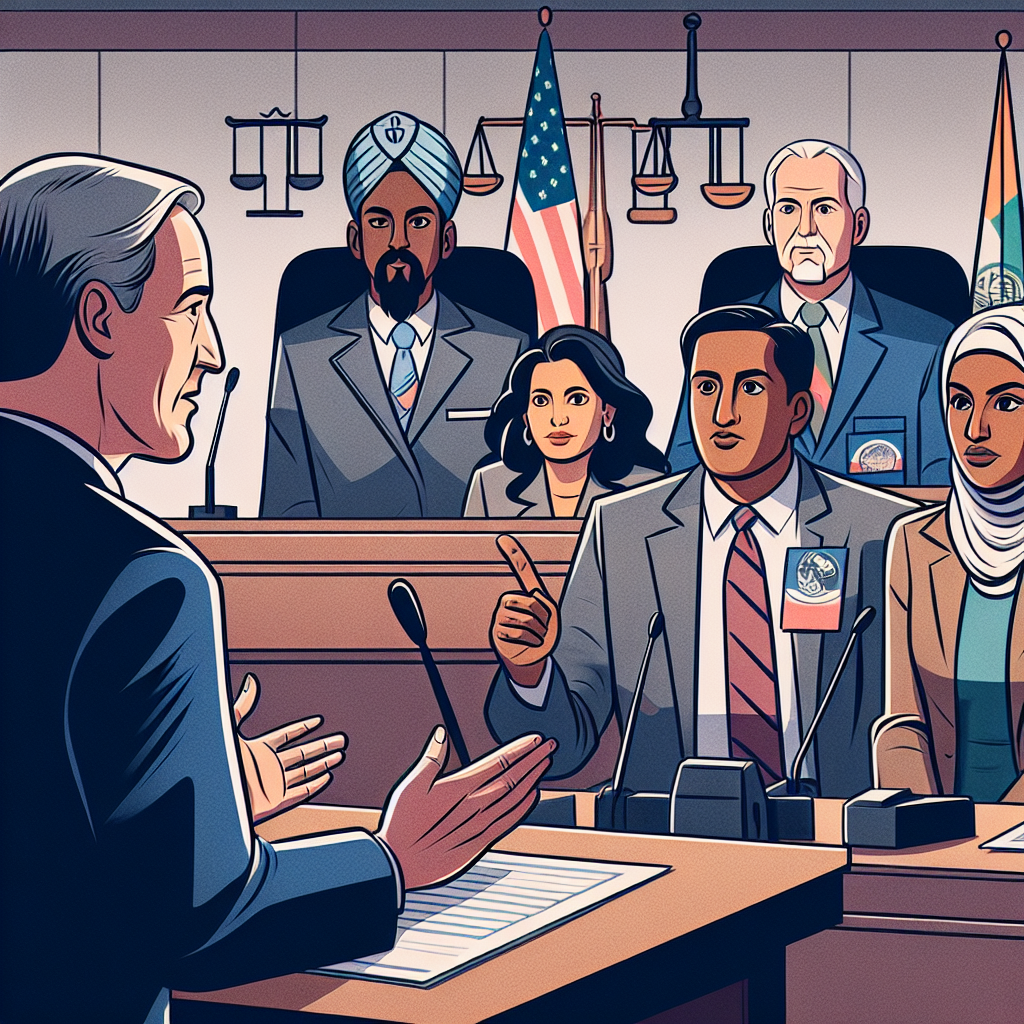
As the legal landscape continues to evolve, stakeholders from various sectors will be watching closely, anticipating how this case will influence trump administration intervention in future immigration-related matters.
In a significant legal maneuver, the Trump administration has sought intervention from the Supreme Court regarding a contentious dispute involving immigration judges. This case centers on a policy that restricts immigration judges’ ability to engage in official speaking events without prior approval, raising questions about the balance between administrative oversight and judicial independence. The outcome of this case could set important precedents for how federal employees, particularly judges, can express their views on legal matters.
Background of the Dispute
The conflict originated when the National Association of Immigration Judges (NAIJ) took legal action against the Trump administration’s policy, which mandates that immigration judges must seek permission before participating in any official speaking engagements. These events can include immigration conferences and pro bono training sessions. The NAIJ argues that this requirement infringes upon their First Amendment rights, asserting that it effectively silences judges from sharing their perspectives on immigration law and policy. In contrast, the policy does allow judges to speak freely in their personal capacity, provided the topics are not directly related to their judicial responsibilities.
U.S. District Judge Leonie Brinkema ruled in favor of the government, dismissing the case based on the Civil Service Reform Act (CSRA). This act, enacted after the Watergate scandal, was designed to provide a structured process for federal employees to address claims of improper conduct within the workplace. Judge Brinkema concluded that the NAIJ’s claims fell outside the jurisdiction of district courts, as established by the CSRA. This ruling was pivotal in the ongoing legal proceedings, as it emphasized the limitations placed on judicial review concerning employment-related disputes.
Appeals Court Ruling
The U.S. Court of Appeals for the 4th Circuit reviewed the case and ultimately decided to remand it back to the district court for further proceedings. While the appellate court acknowledged Judge Brinkema’s interpretation of the CSRA, it also recognized the need for further examination of the implications of the policy on the First Amendment rights of immigration judges. This decision reflects a nuanced understanding of the intersection between administrative law and constitutional rights, highlighting the complexities involved in adjudicating such matters.
As the Supreme Court prepares to address the case, the implications extend beyond the specific circumstances of the NAIJ. The ruling could have far-reaching consequences for immigration judges and their ability to engage with the public on critical issues. Furthermore, the case may also influence how federal employees navigate the boundaries between their official duties and personal expressions of opinion. The potential for a landmark decision looms as the justices consider the arguments presented by both sides.

The Broader Legal Context
This case occurs within a broader landscape of legal challenges and debates surrounding immigration policy and judicial authority. The Trump administration’s approach to immigration has been a focal point of contention, with various legal disputes emerging over executive actions and their implications for due process. The Supreme Court’s involvement in this matter underscores the ongoing struggle to define the limits of administrative power in relation to judicial independence.
Moreover, the case touches on significant issues regarding federal employee rights and the mechanisms available for challenging administrative policies. As the legal landscape continues to evolve, the outcome of this dispute could serve as a precedent for future cases involving federal employees’ rights to free speech and their ability to challenge restrictive policies. This situation echoes similar challenges that have arisen in the past, such as the federal courts asylum issue, where judicial authority and administrative discretion were also at odds.
The ramifications of this case are not limited to immigration judges alone. The principles established in the Supreme Court’s ruling may resonate across various federal employment contexts, impacting how employees express their views on policies that affect their roles. As the legal arguments unfold, the implications for both the judiciary and federal employment practices will be closely monitored by legal experts and advocates alike.
Looking Ahead
As the Supreme Court prepares to deliberate on this case, the legal community anticipates a ruling that could redefine the balance between administrative oversight and judicial independence. The argument presented by U.S. Solicitor General D. John Sauer emphasizes the necessity of adhering to established administrative processes, while the NAIJ stresses the importance of protecting judicial autonomy and free speech. This case not only represents a pivotal moment for immigration judges but also raises fundamental questions about the rights of all federal employees.
In conclusion, the Supreme Court’s decision will likely have lasting effects on the relationship between federal employees and the administrative policies governing their conduct. The legal principles established in this case may also influence future challenges to similar restrictions, such as those surrounding birthright citizenship trump cases and other federal employee rights disputes. As the situation develops, stakeholders will be keenly observing the court’s actions and the potential shifts in legal precedent that may arise from this significant case.
The ongoing legal battle surrounding the authority and regulations governing immigration judges has reached a critical juncture, with the Trump administration appealing to the Supreme Court for a definitive resolution. This dispute centers on a policy enforced by the administration that requires immigration judges to secure permission before engaging in any official speaking engagements. The implications of this policy have raised significant First Amendment concerns, with critics arguing that it infringes upon the judges’ rights to express their views on immigration law and policies.

Legal Background and Arguments
The conflict originated when the National Association of Immigration Judges (NAIJ) filed a lawsuit in a federal court in Alexandria, Virginia. They challenged the policy, asserting that it restricts judges from making official speeches without prior approval, which they claim is a violation of their First Amendment rights. The judges are allowed to speak on personal matters, but the restrictions on official engagements have been deemed excessive by the NAIJ. U.S. Solicitor General D. John Sauer emphasized that federal law mandates judges to pursue administrative remedies for such disputes, arguing that the trial court does not have jurisdiction over the case.
U.S. District Judge Leonie Brinkema ruled in favor of the government, stating that the Civil Service Reform Act (CSRA) was designed to limit district court jurisdiction over employment-related claims like those posed by the NAIJ. This act was established to provide a structured process for federal employees to address grievances, particularly in instances of alleged discrimination or retaliation. Judge Brinkema’s ruling highlighted the legislative intent behind the CSRA, indicating that it was meant to prevent district courts from intervening in such matters.
Appeals and the Supreme Court’s Role
Despite the district court’s dismissal of the case, the U.S. Court of Appeals for the 4th Circuit intervened, sending the case back for further examination. The appellate court acknowledged the complexity of the legal issues at stake, particularly concerning the interpretation of the CSRA and its applicability to the NAIJ’s claims. This decision reflects a recognition of the need for a thorough fact-finding process to ascertain the legitimacy of the judges’ grievances against the policy.
The Trump administration’s request for the Supreme Court to settle this dispute underscores the administration’s commitment to enforcing its policies while navigating the intricate legal landscape surrounding immigration law. As the case progresses, the Supreme Court’s decision will likely have far-reaching implications for the autonomy of immigration judges and the broader legal framework governing federal employment disputes. The outcome could redefine the balance between administrative authority and judicial independence, shaping the future of immigration law and policy in the United States.
In light of these developments, stakeholders are closely monitoring the situation. The resolution of this case could influence not only the operational dynamics of immigration courts but also set a precedent for similar legal challenges in the future. As the Trump administration continues to pursue its legal strategies, the implications of this case extend beyond the immediate parties involved, affecting the broader discourse surrounding immigration and judicial independence.
For further insights into the legal challenges faced by the Trump administration, you may explore trump administration challenges that highlight the administration’s ongoing legal battles and their implications for federal policy.